
Connected tooling workflow
Injection mould development & manufacturing
Precision tooling. Engineered for production.
From tool design to validated parts, AXIA unifies engineering, manufacturing and programme control under one accountable team.
Tool engineeringCNC / EDMTrials & validation
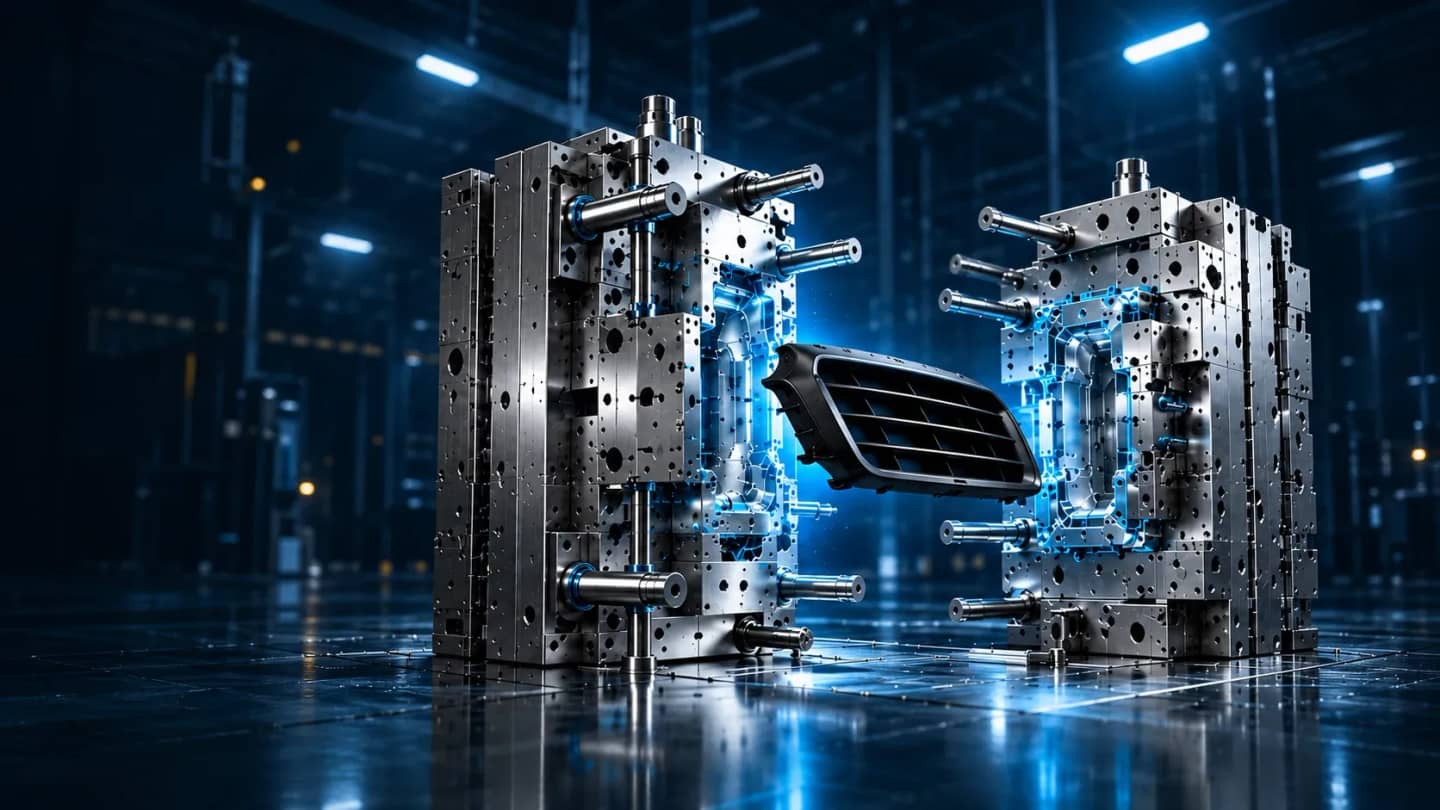
Live mould cycle00:00 / 00:00
AXIAMould cycle
01Engineering-led approach
DFM · Moldflow · Tool design
02Precision tooling
CNC · EDM · Grinding · QC
03Built for production
Maintainability · Repeatability
04Automotive & beyond
Complex polymer components
Experience per founder
Complementary expertise
Manufacturing base
02 / The AXIA platform
From engineering to impact.
A connected platform that begins with engineering and tooling today, then expands toward production and assembly without losing technical ownership.
Core
Decisions before steel
Engineering decisions before steel.
Feasibility and manufacturability are resolved before the first tool component enters machining.
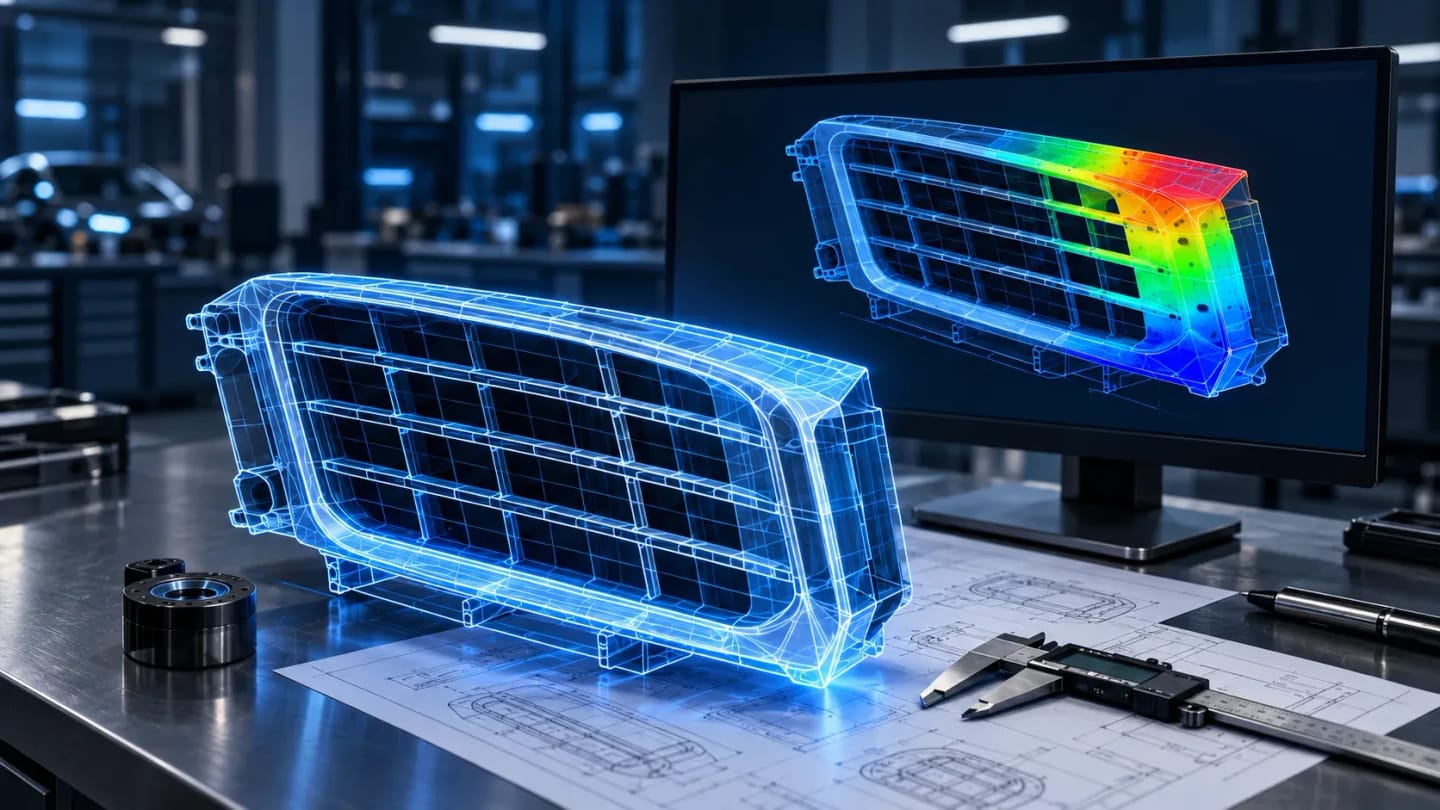 01 / Engineering capability
01Feasibility study
02DFM
03DFMA
04DFMEA
05Moldflow
06Tool design
03 / The AXIA difference
Engineering before steel.
The difference is made before the first tool component is machined—when design intent becomes a sequence of practical engineering decisions.
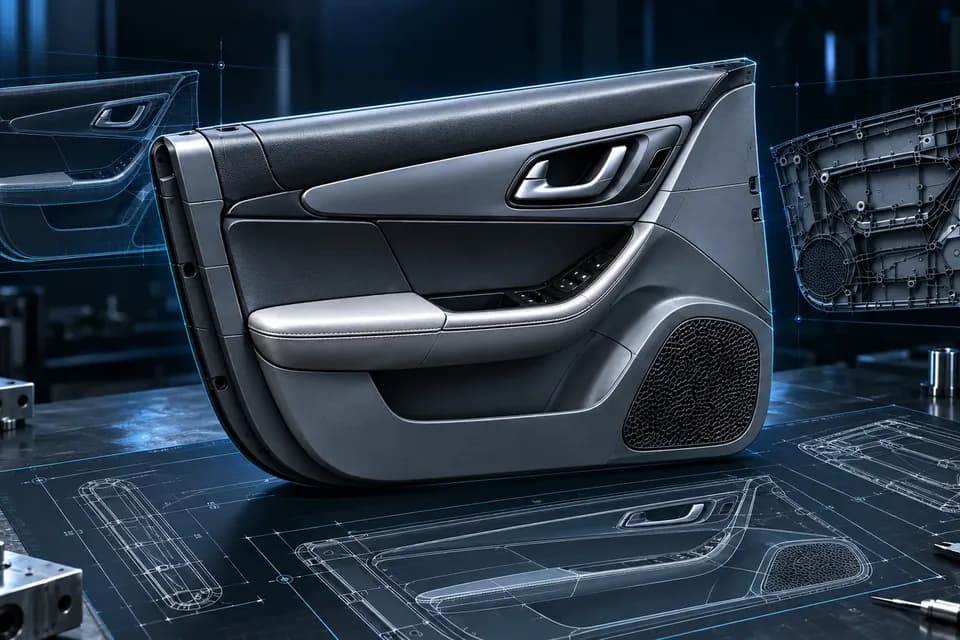
01 / Feasibility
Can we build it?
Evaluate the component and establish a viable tool concept before committing to steel.
- ✓Component feasibility
- ✓Parting strategy
- ✓Draft and wall thickness
- ✓Undercuts and ejection
- ✓Tool architecture
Engineering outcome
A viable tooling concept with early risk made visible.
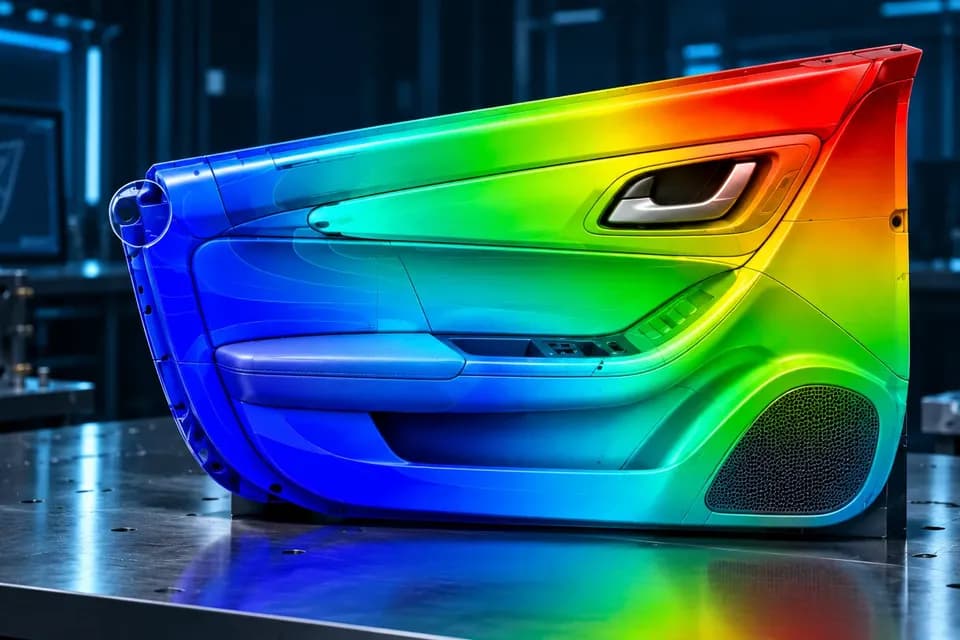
02 / Performance
How will it behave?
Use simulation and engineering analysis to understand moulding behaviour before manufacturing.
- ✓Filling and packing
- ✓Cooling strategy
- ✓Warpage prediction
- ✓Weld lines and air traps
- ✓Critical cosmetic areas
Engineering outcome
Risks assessed before expensive manufacturing decisions.
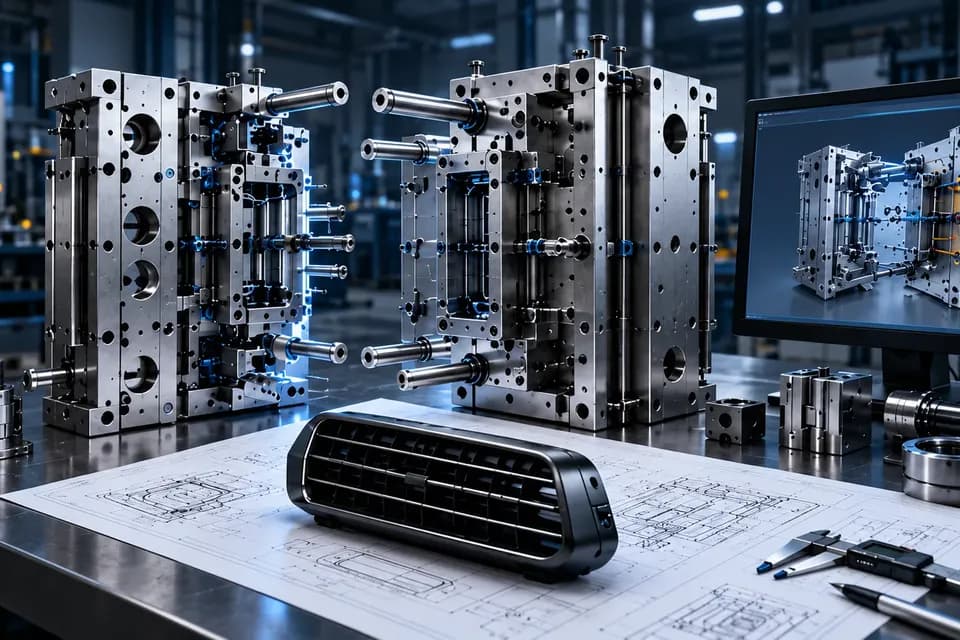
03 / Reliability & serviceability
How will it run?
Design for dependable operation, repeatability and practical maintenance through the tool lifecycle.
- ✓Mechanism reliability
- ✓Repeatability
- ✓Maintainability
- ✓Serviceability
- ✓Component accessibility
Engineering outcome
A practical design for repeatable performance.
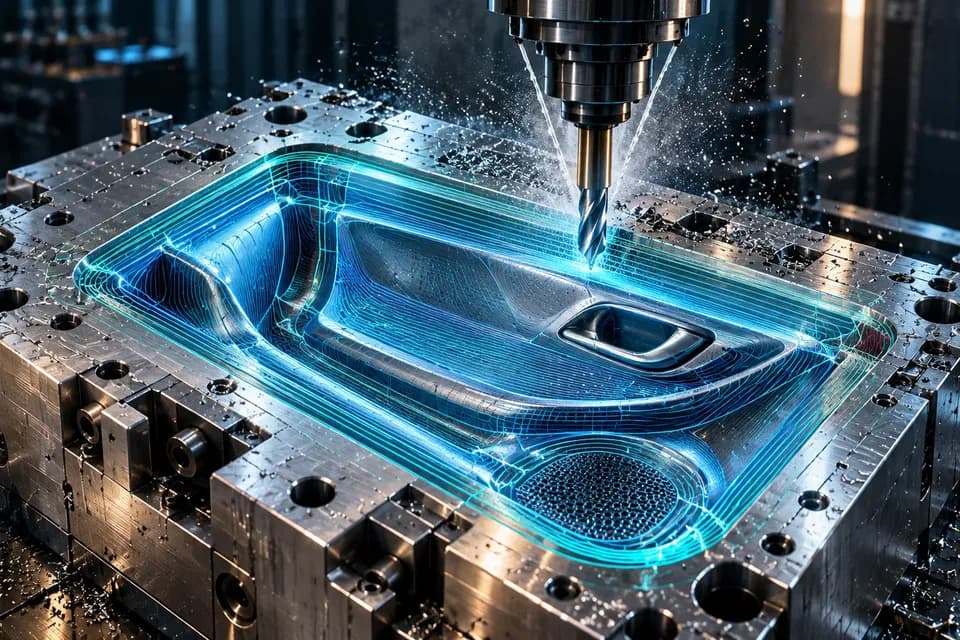
04 / Manufacturability
How will we make it?
Translate design intent into a machining and assembly plan grounded in real capability.
- ✓Machining strategy
- ✓Steel selection
- ✓Manufacturing sequence
- ✓EDM and grinding strategy
- ✓Fitting and assembly
Engineering outcome
A manufacturable tool—not just a finished design.
04 / Interactive engineering
See engineering in motion.
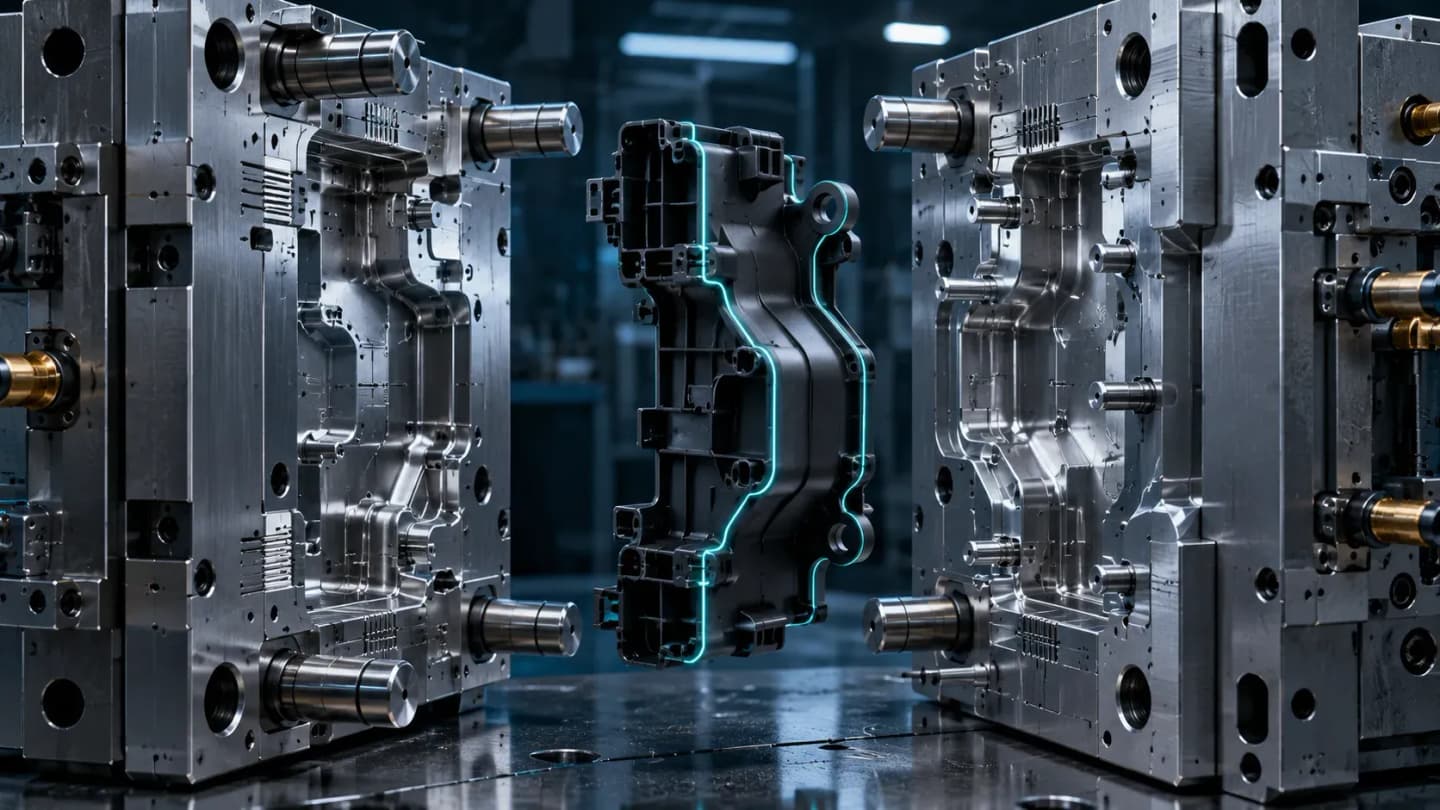
Explore the systems inside an injection mould. Switch views, drag to rotate and zoom into the details that make the tool function.
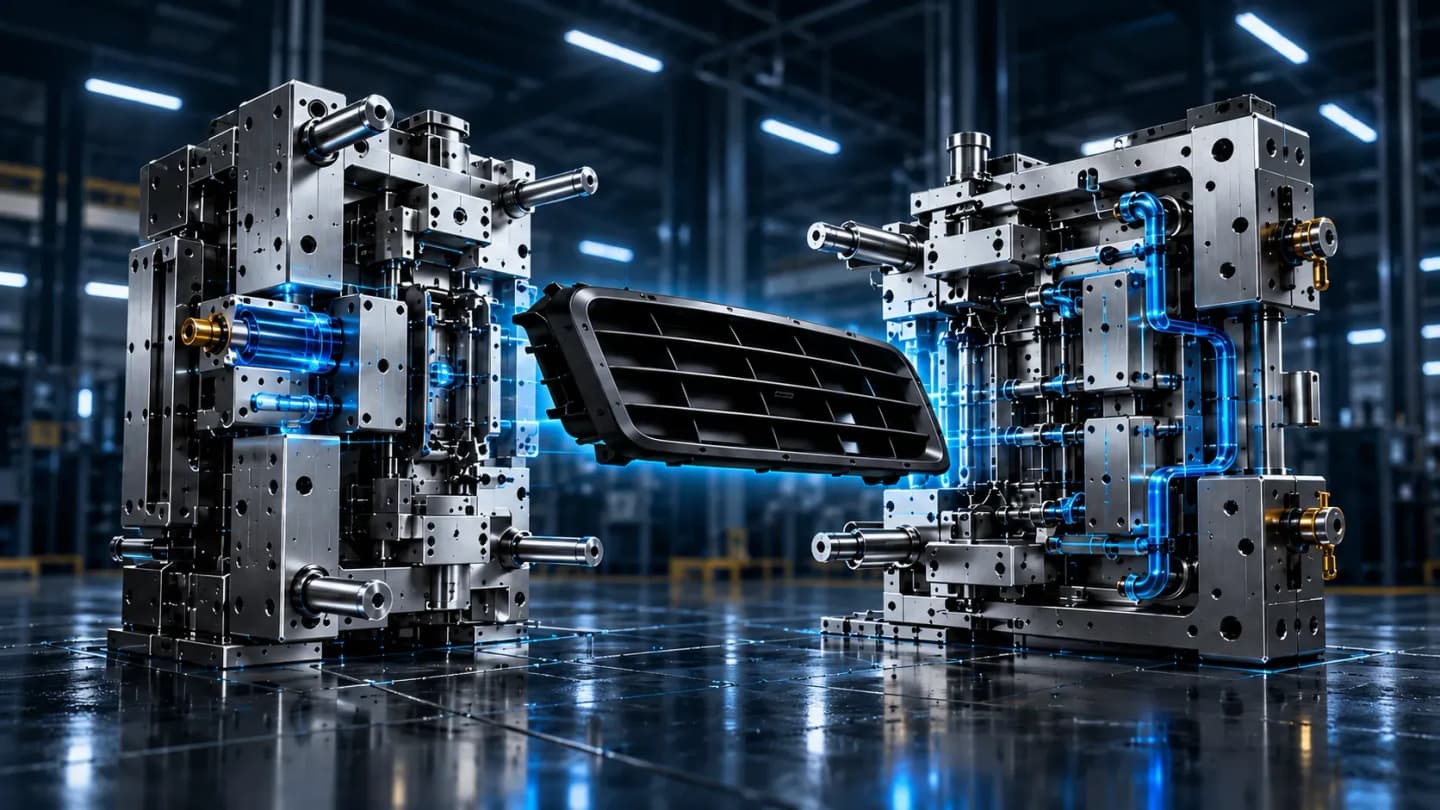
Drag to rotate / 100%
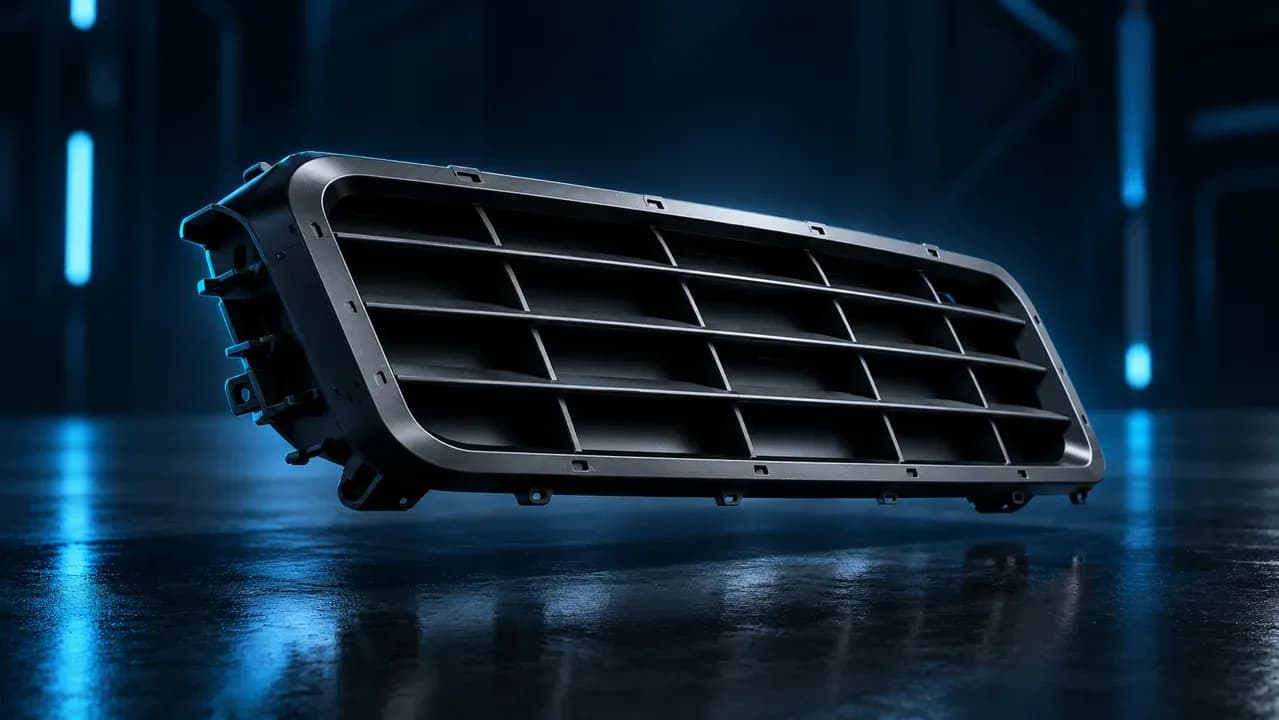
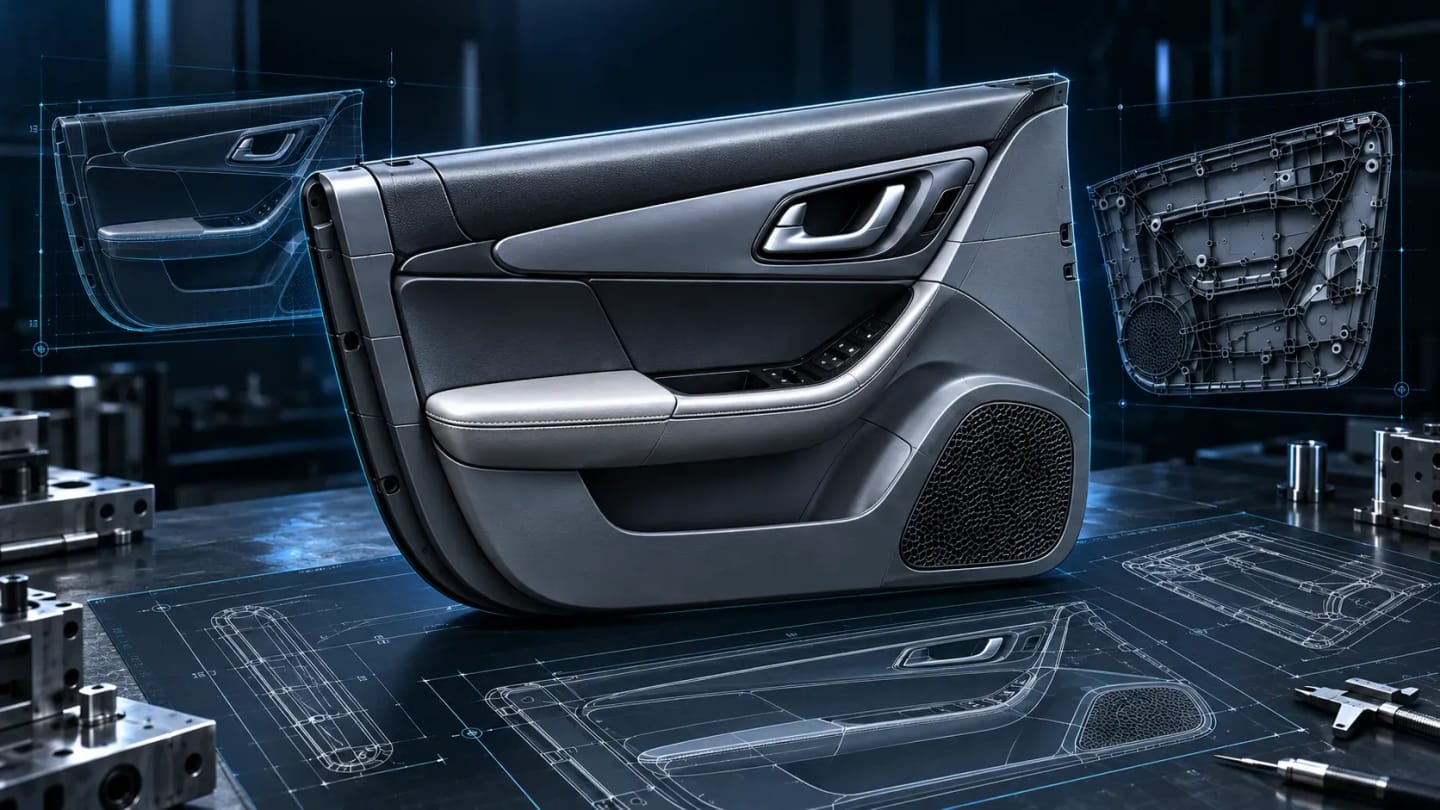
Finished component
Automotive air-vent grille.
The visible part is the outcome; geometry, cooling, ejection and mechanism timing are the connected engineering system behind it.
05 / Digital engineering
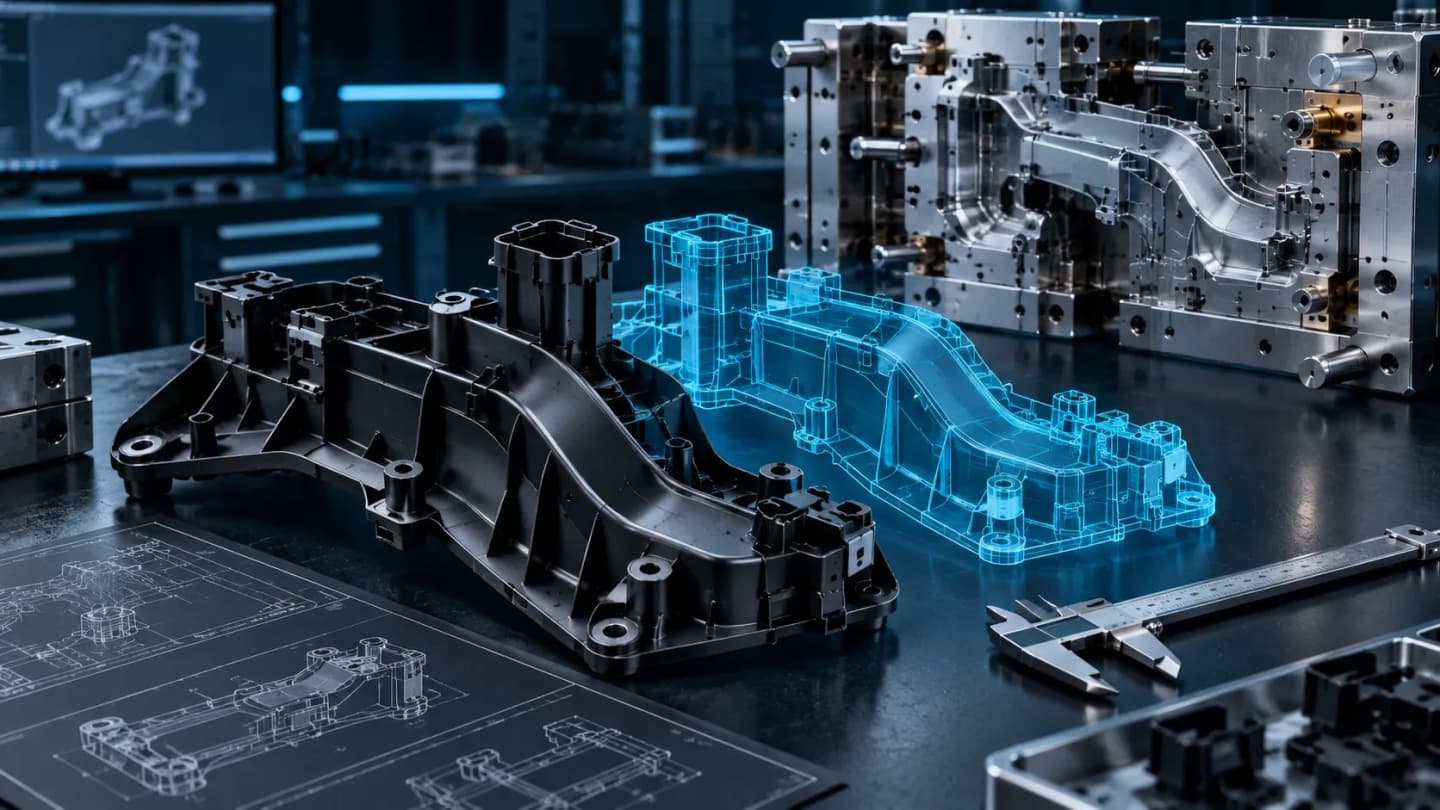
From part data to toolpath.
One component. Six connected engineering stages—from product definition and DFM to CAM, manufacture and physical validation.
01
Understand the component.
Product definition
Capture product geometry, functional interfaces, dimensions, tolerances, material and design intent.
CATIA V5
Key focus areas
- ✓Product geometry
- ✓Interfaces and datums
- ✓Material and finish
 Live stage / CATIA V5
Engineering output
013D product model
02Design intent documentation
03Critical interface definitions
Stage views
06 / Manufacturing capability
Engineered to be made.
24 assets
In-house
In-house today
Core machining, EDM, fitting, handling and inspection equipment operated within the AXIA workflow.
Vin PAK Double Head EDMBFW Chakra 60Vin PAK RICCO V30 C
8 assets
Roadmap
Capability expansion
Planned equipment that extends machining, validation and injection-moulding capacity.
BFW Astra 70+Sparkonix ZNC EDMEcocut Wire EDM
5 assets
Extended
Extended capability
Controlled specialist capacity coordinated through trusted manufacturing partners.
Feeler VMCHision VMCMillutensil Die Spotting
07 / Industries
Application-led. Sector aware.
08 / Experience that follows the tool
Practical judgement across the complete tooling lifecycle.
The founding team brings hands-on context across product development, design, manufacture, fitting, trials and project execution—so decisions stay grounded in how the tool will be built, run and maintained.
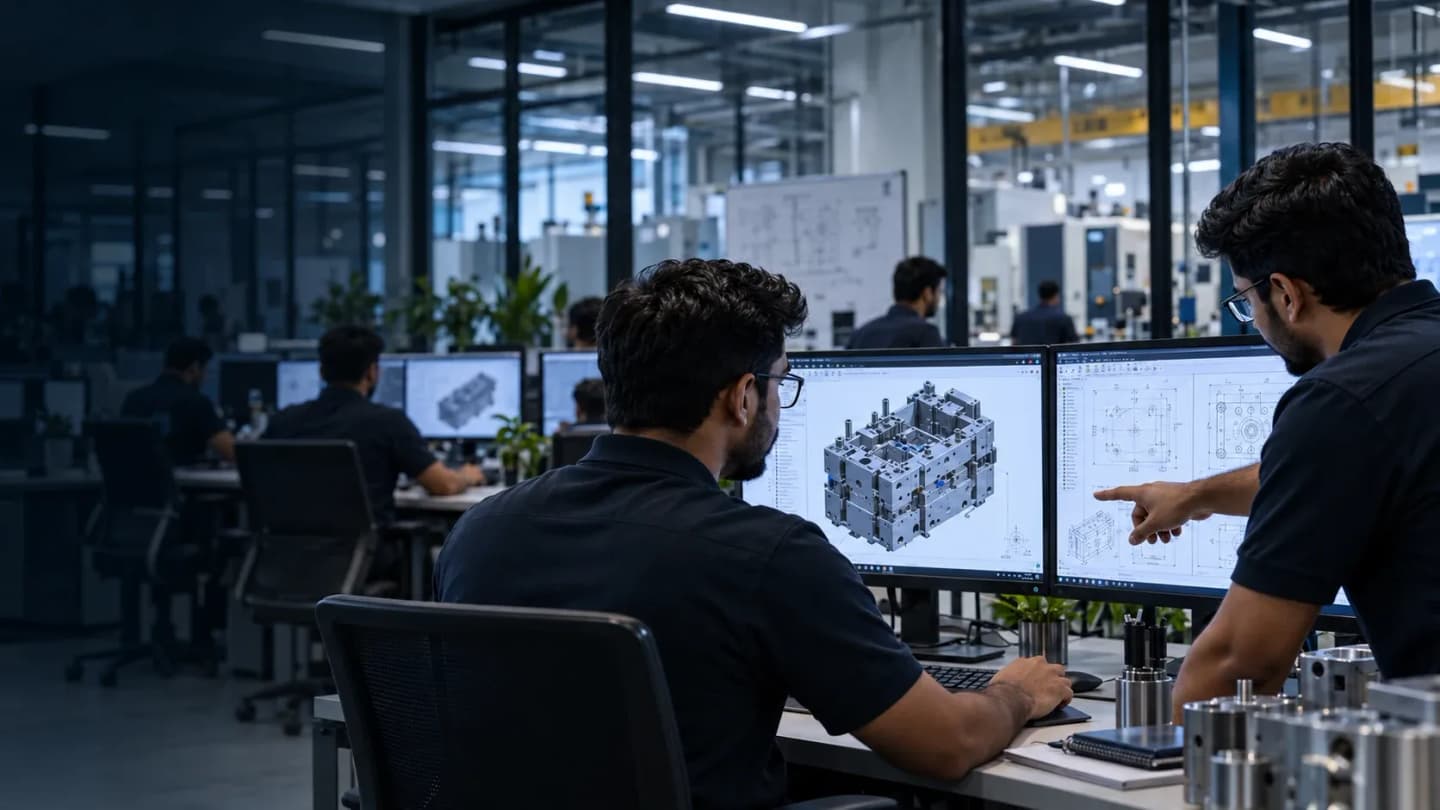
9+ yearsHands-on experience per founder
OEM & Tier-1Programme context
End-to-endTooling perspective
PuneEngineering and manufacturing base
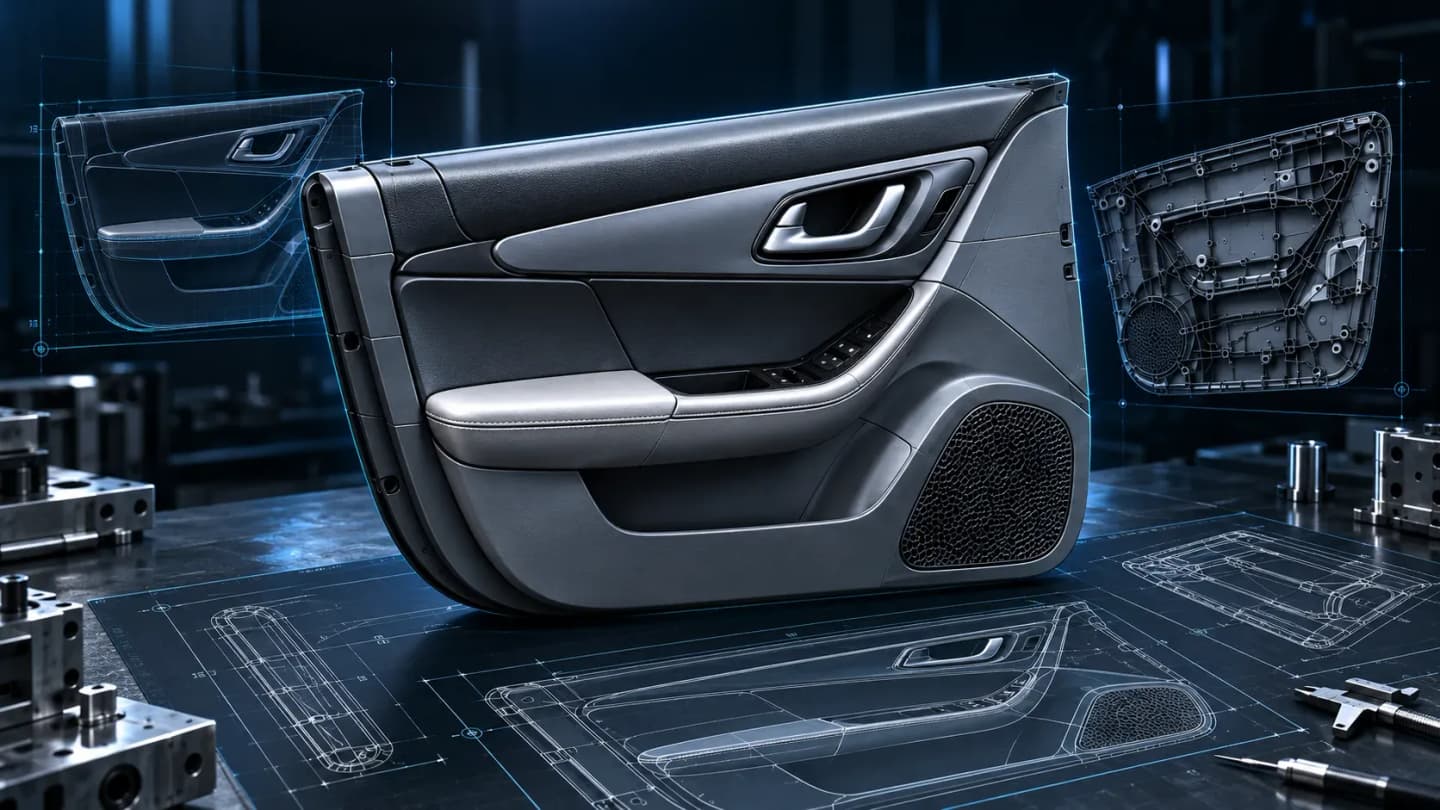 01Component development
Product intent, interfaces, materials and critical features are clarified.
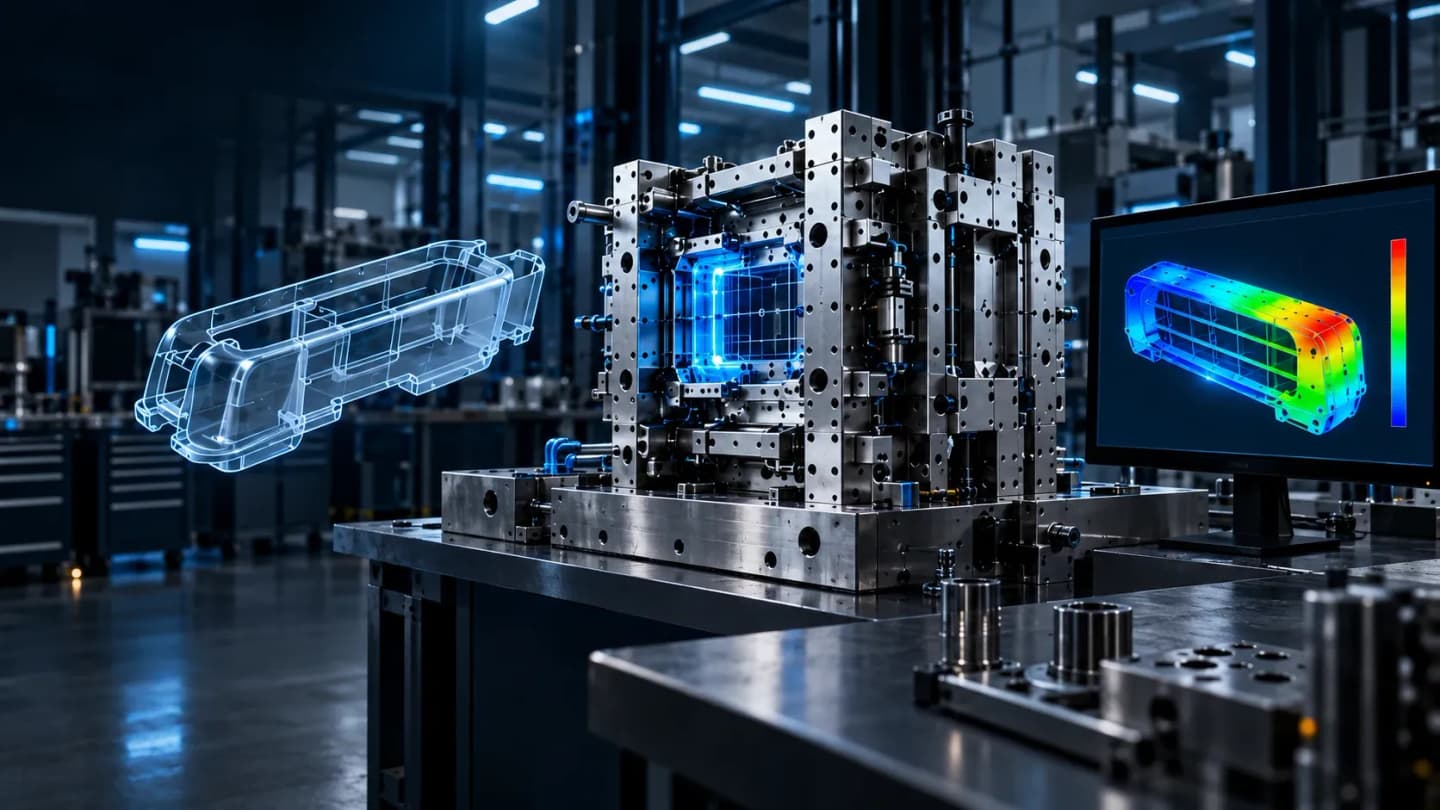 02Design & engineering
DFM, simulation and mould architecture convert risk into decisions.
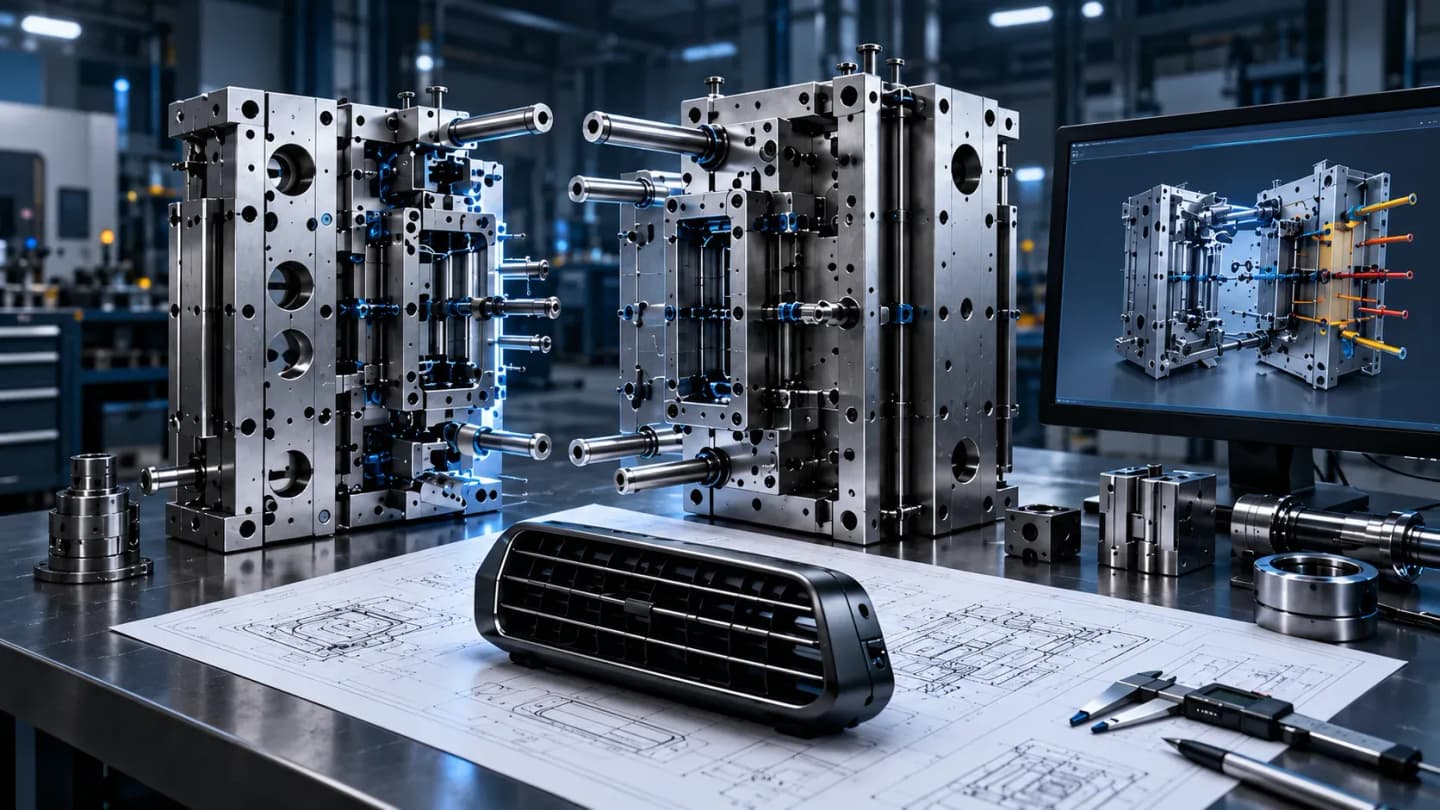 03Steel & procurement
Materials, standards and bought-out systems are released against the design.
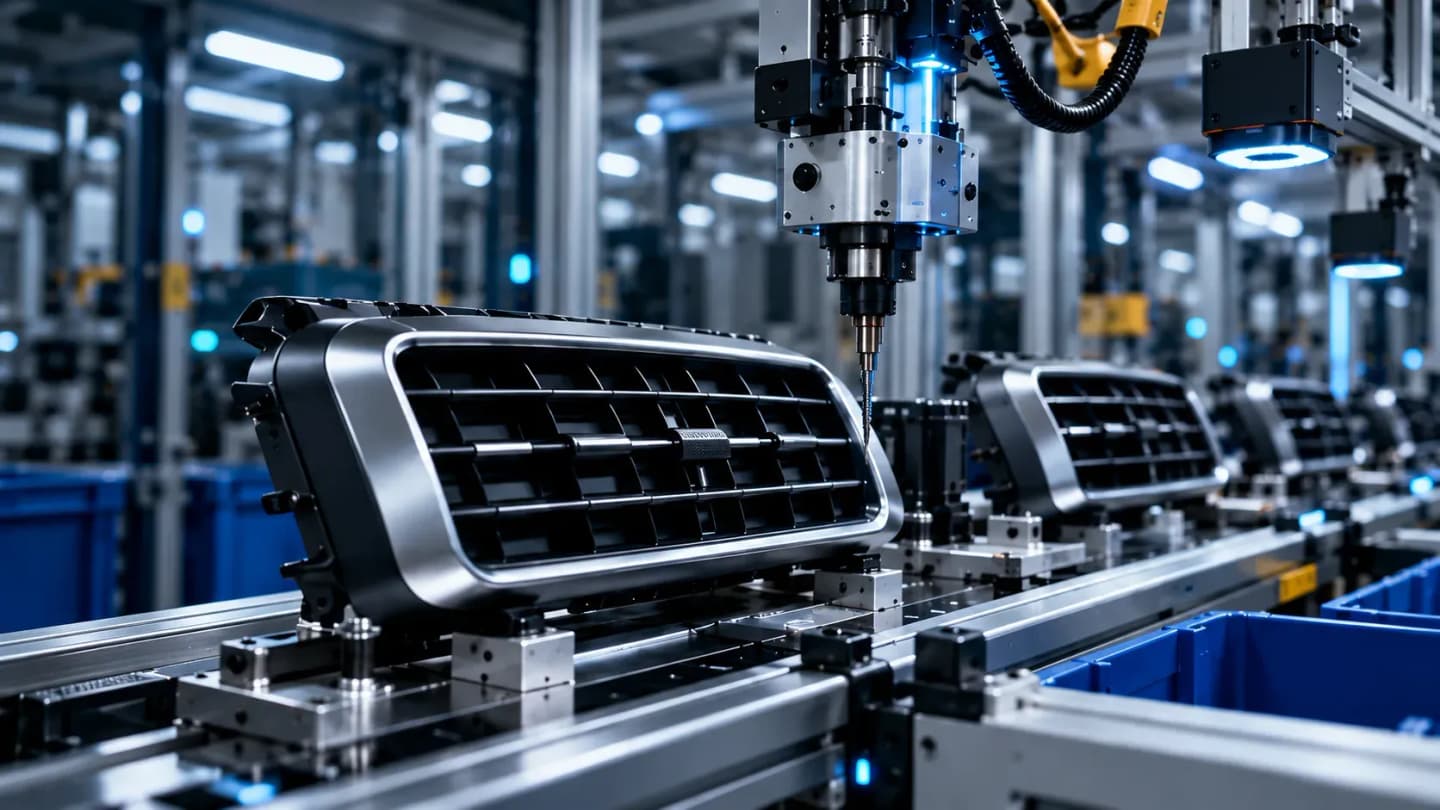
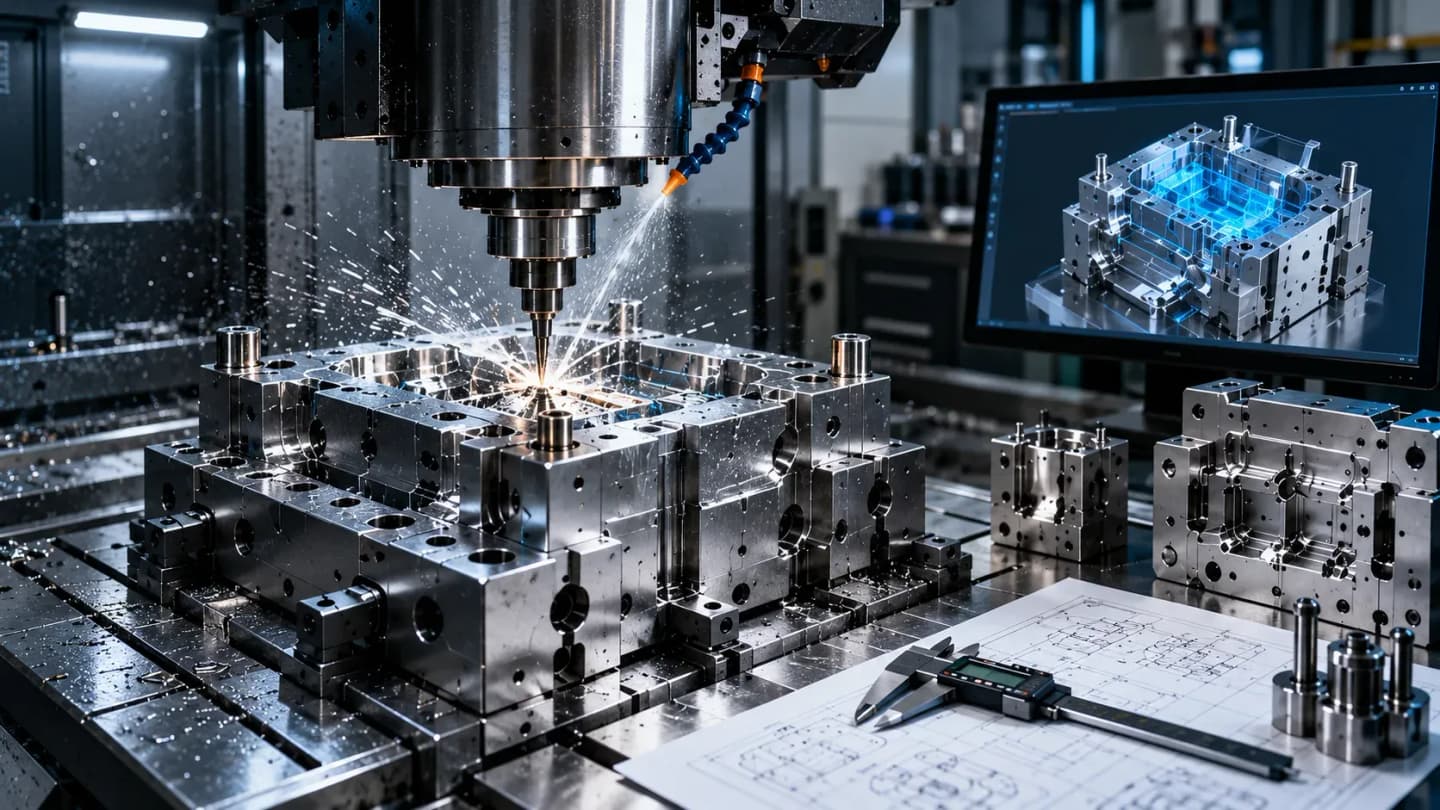 04Machining
CNC, EDM, drilling and grinding follow a connected manufacturing plan.
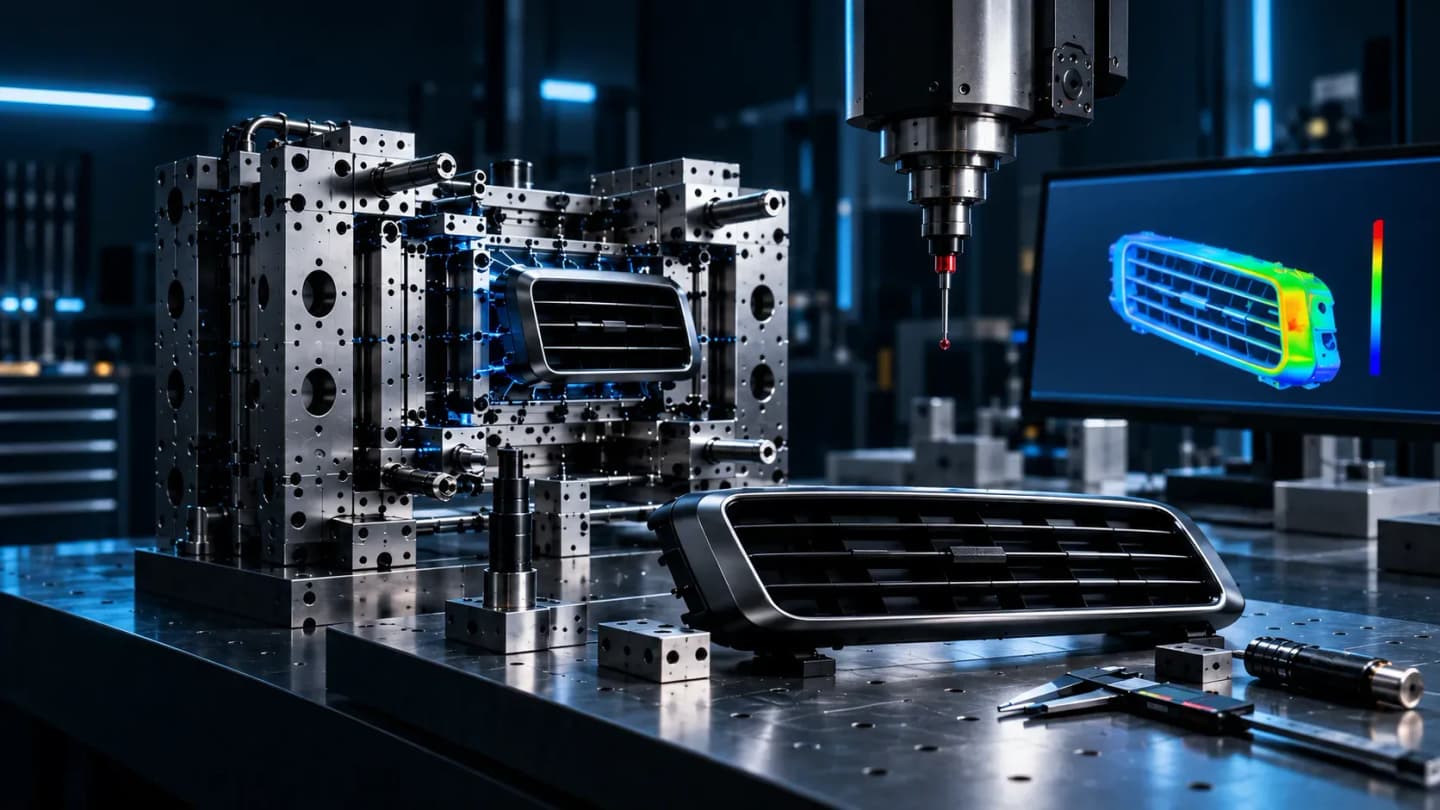
 05Fitting & assembly
Mechanisms, shut-offs, cooling and service access are proven practically.
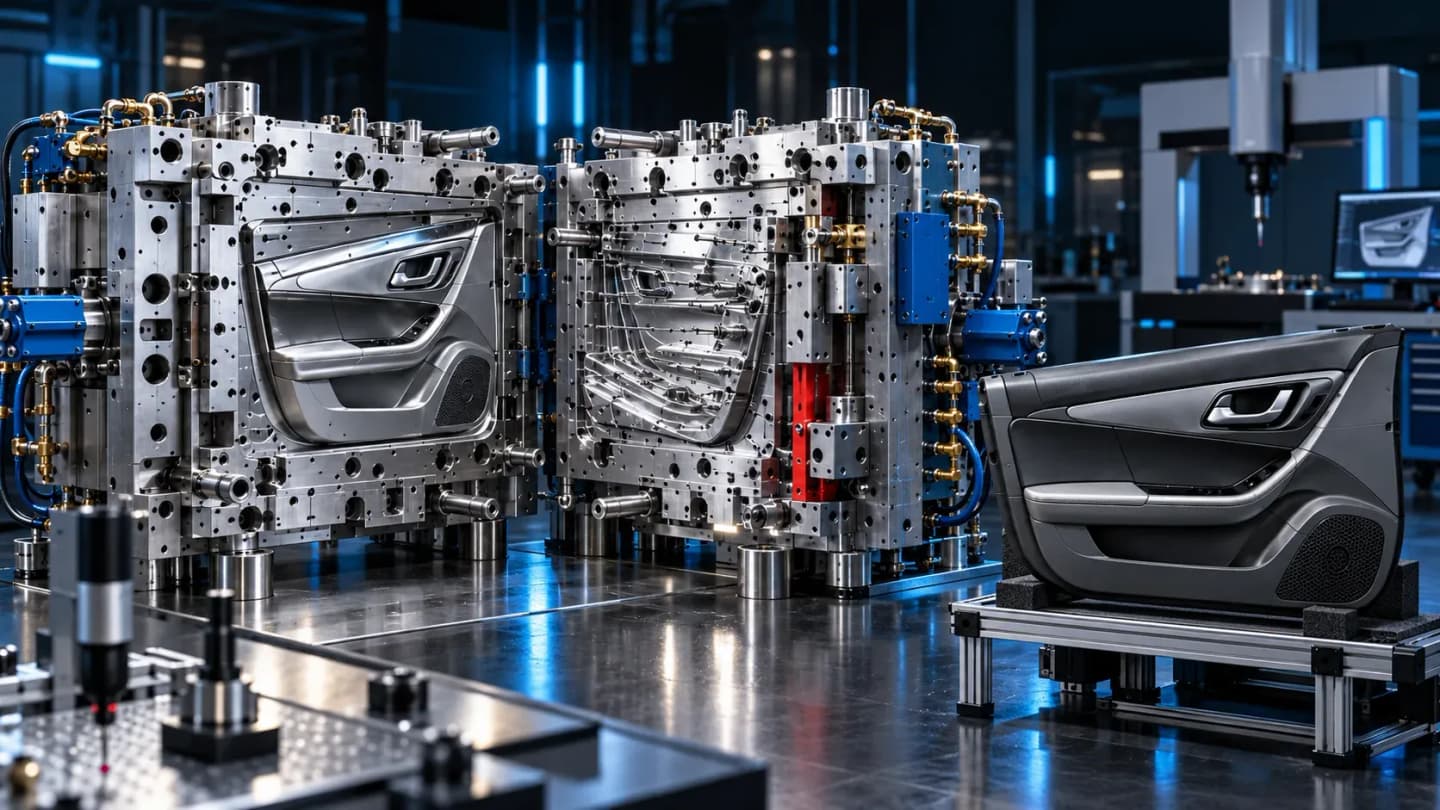
 06Trial
The tool is run under controlled conditions and evidence is recorded.
 07Validation
Dimensional, functional and process feedback is closed before handover.
Technical accountability
Named leadership. Direct responsibility.
AXIA’s engineering content is connected to the leadership team responsible for tooling, programme delivery and manufacturing decisions.
09 / Engineering insights
From principle to practical tooling.
Technical knowledge and production-aware decisions for more reliable moulds.
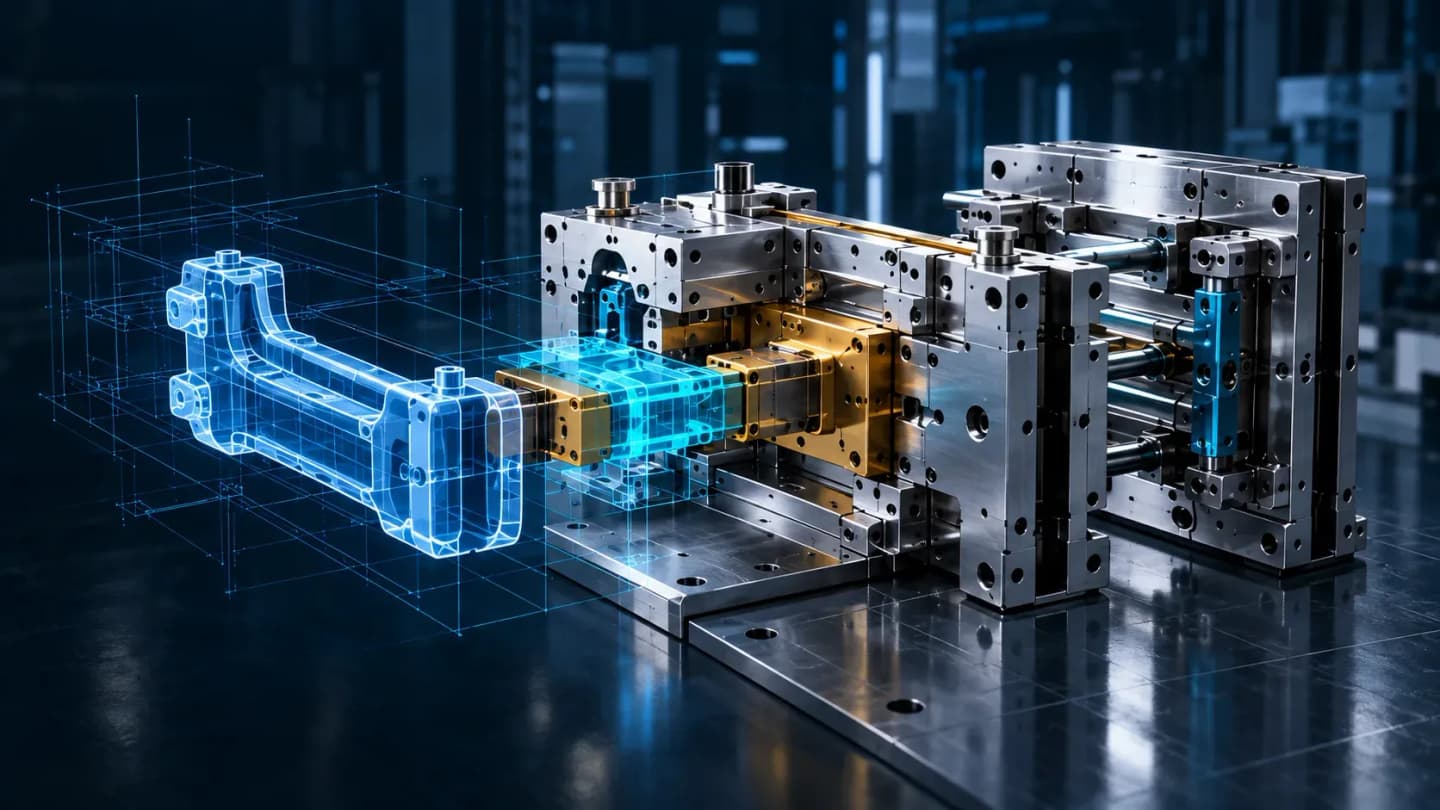
Mould mechanisms
Sliders, lifters, wedges and ejection systems.
Moldflow & simulation
Filling, cooling, warpage and weld lines.
DFM & tool design
Draft, wall thickness and tool architecture.
Manufacturing & CAM
Machining strategy, electrodes and tolerances.
Materials & processes
Plastics, tool steels and heat treatment.
Troubleshooting
Common moulding issues, defects and solutions.
Company update01
New CNC capability at AXIA
Expanding AXIA’s in-house capability with additional high-precision machining.
Full article / Open →
Event02
Planning a technical meeting around IMTEX 2026
A practical guide for focused tooling and manufacturing discussions around IMTEX 2026.
Full article / Open →
Industry news03
Growing demand for lightweight components
A practical view of lightweighting trends across automotive polymer components.
Full article / Open →
07 / Working together
Clear before we commit.
Practical answers to the questions that usually appear at the start of a tooling programme.
01Can AXIA manage a complete mould programme?
Yes. We can manage design, development, manufacturing, trials, validation and production support as one coordinated programme.
02Can you work from an existing product design?
Yes. We review available CAD, drawings, material requirements and annual volume, then return a manufacturability and execution plan.
03Do you support urgent or technically difficult tooling?
Share the constraints through the project enquiry. The engineering team will review timing, complexity and the most realistic route before committing.
04Where is AXIA Industries located?
AXIA Industries operates from Pune, Maharashtra, with access to a strong automotive and precision manufacturing ecosystem.
05What information should be shared for a tooling quotation?
Share the latest 3D CAD and 2D drawings, polymer grade, annual and peak volume, surface and dimensional requirements, machine constraints, target timing and validation expectations. AXIA will identify any missing inputs during the initial engineering review.
06Does AXIA support DFM and Moldflow before tool manufacture?
Yes. Product geometry, draft, wall thickness, gate strategy, parting, ejection, cooling and expected process behaviour can be reviewed before steel is released so risks are addressed while changes remain practical.
07How are mould trials and engineering changes controlled?
Trial objectives, observations, measurements and corrective actions are tracked against the programme. Approved changes are carried into the tool design and manufacturing record so decisions remain connected through validation.
08Can AXIA support mould maintenance and future revisions?
Maintenance access, replaceable wear areas, spares, drawing control and future product revisions are considered during tool engineering. Support scope is agreed for each programme based on production location and operating requirements.
08 / Project intake
Bring us the difficult part.
Share your CAD, timing, material and production targets. We’ll return with the questions that move the programme forward.