01 / Engineering

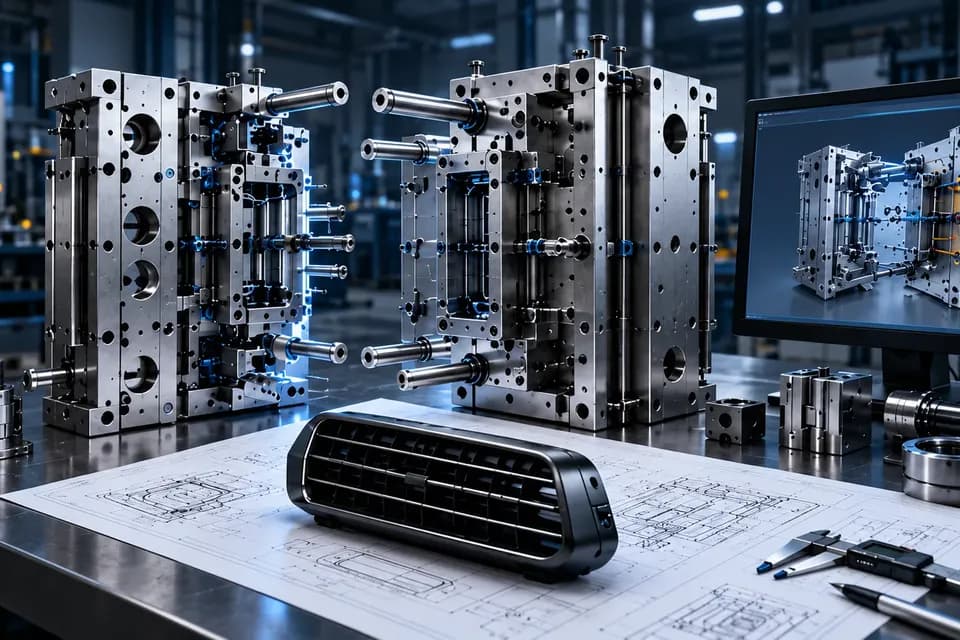
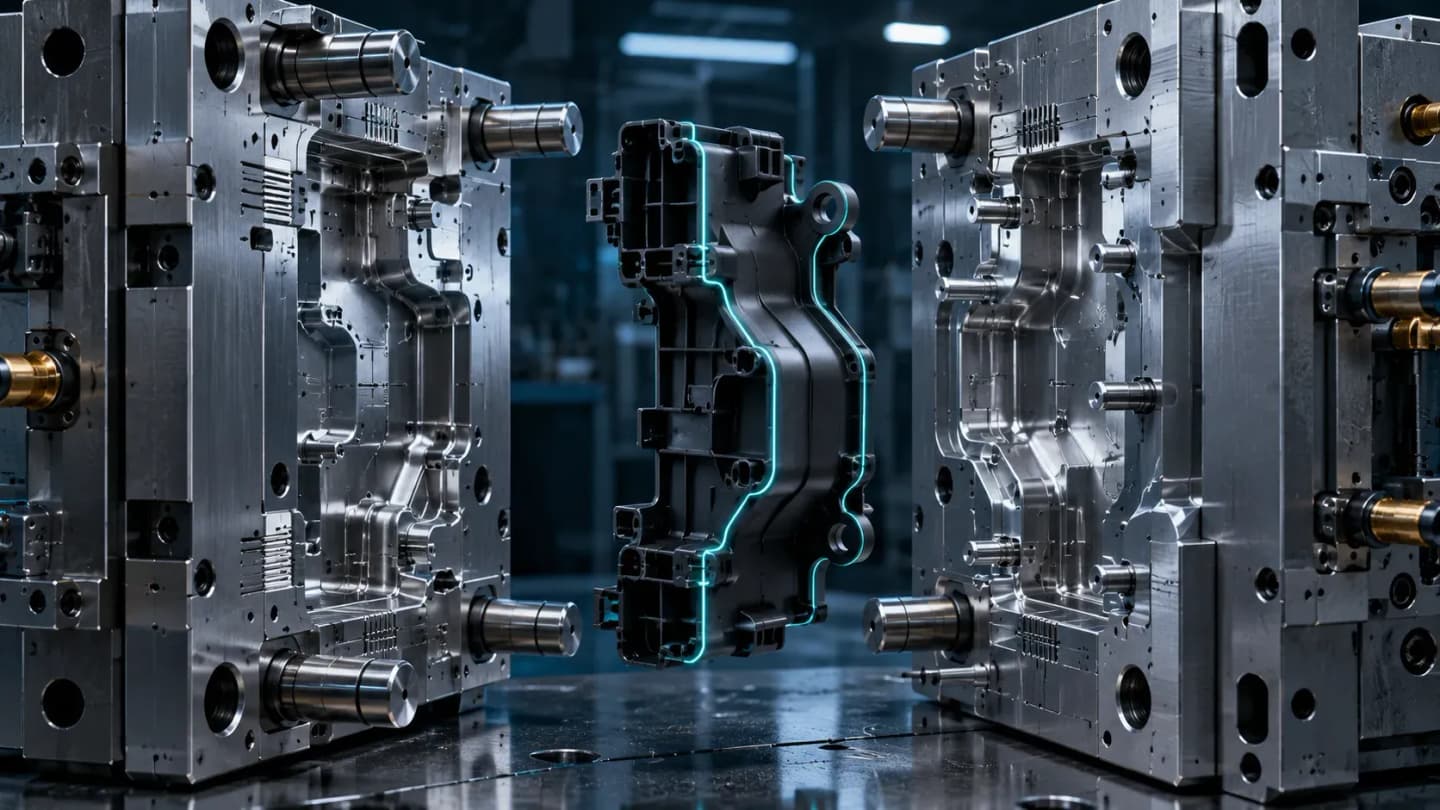
Engineering before steel.

Feasibility, DFM, simulation and tool architecture aligned before manufacturing decisions become expensive.

Discuss a programme
Engineering before steel. — AXIA Industries

Engineering before steel

Resolve risk while change is still inexpensive.

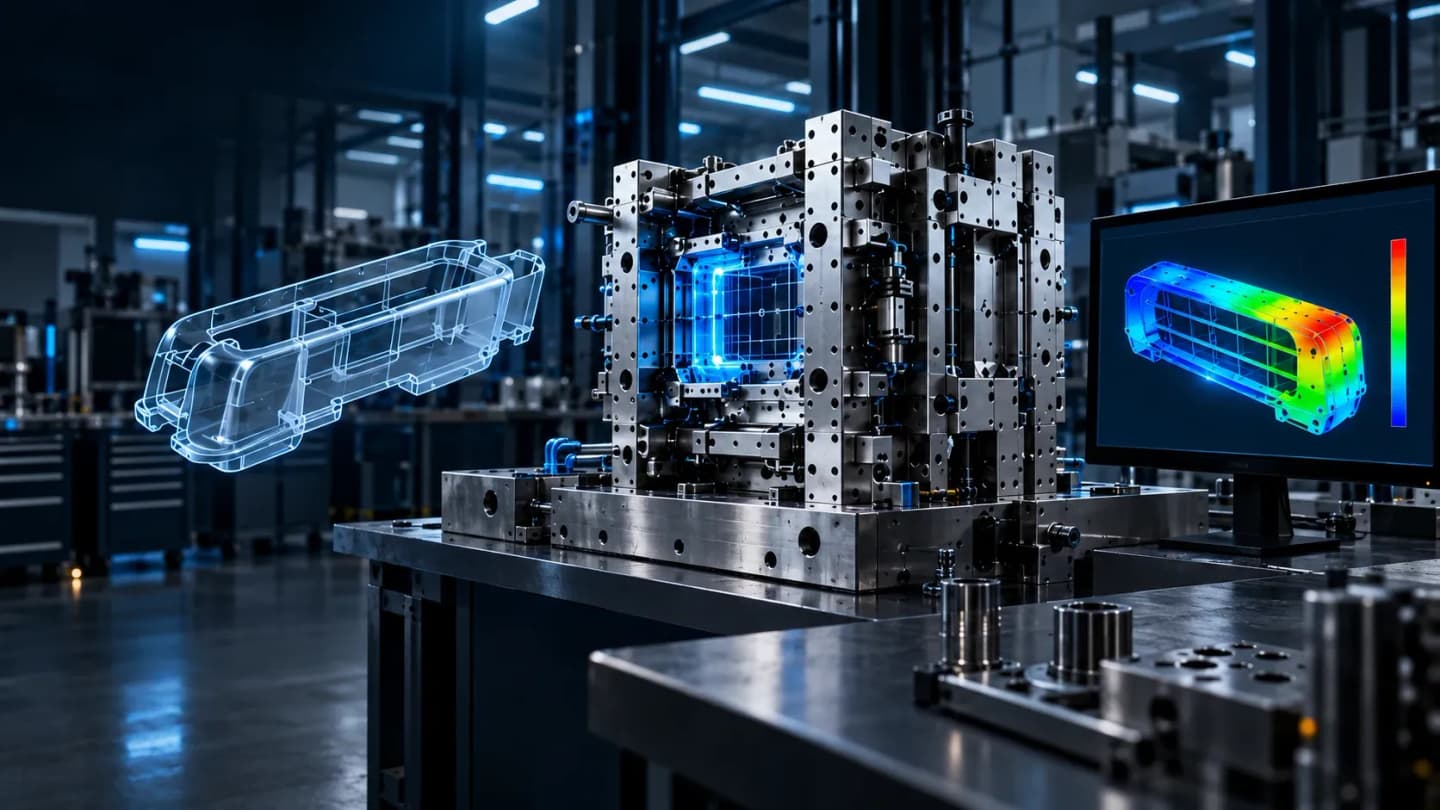
Feasibility, parting, draft, wall thickness, undercuts, flow behaviour, cooling and service access are reviewed before manufacturing release.

  • 01Component feasibility
  • 02DFM and DFMEA
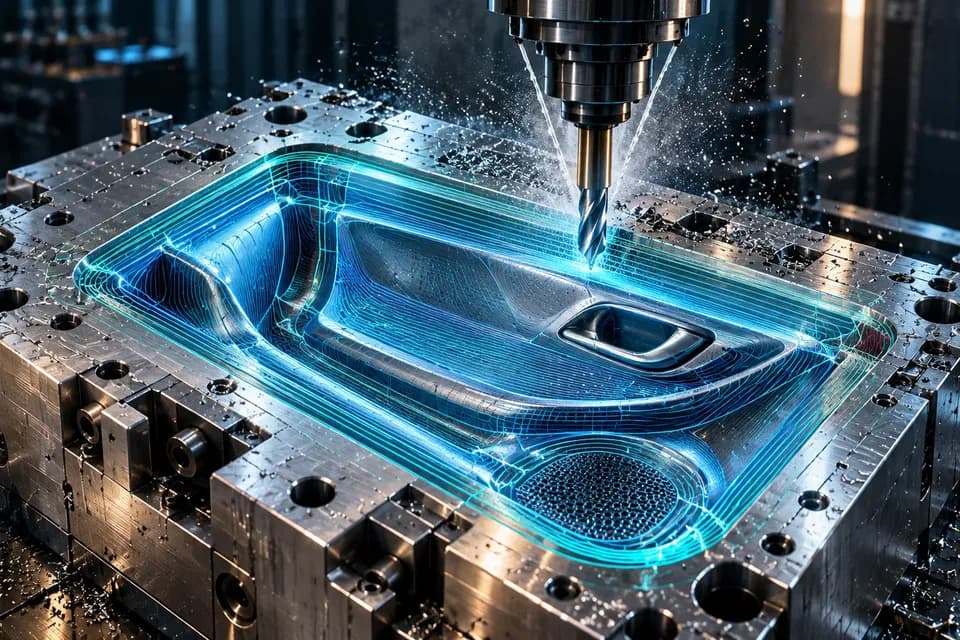
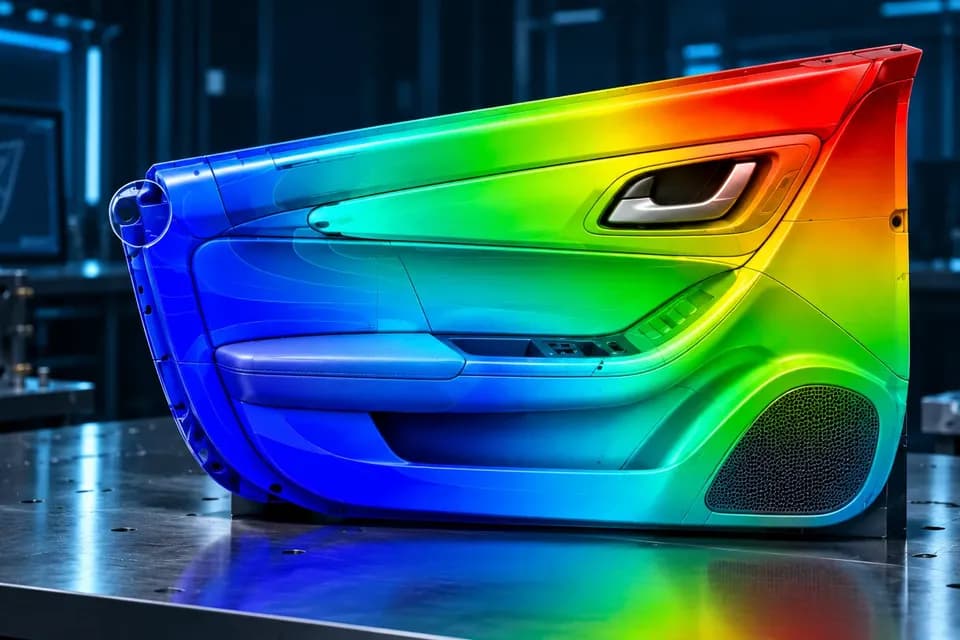
  • 03Moldflow simulation
  • 04Tool architecture
  • 05Manufacturing review
  • 06Validation planning
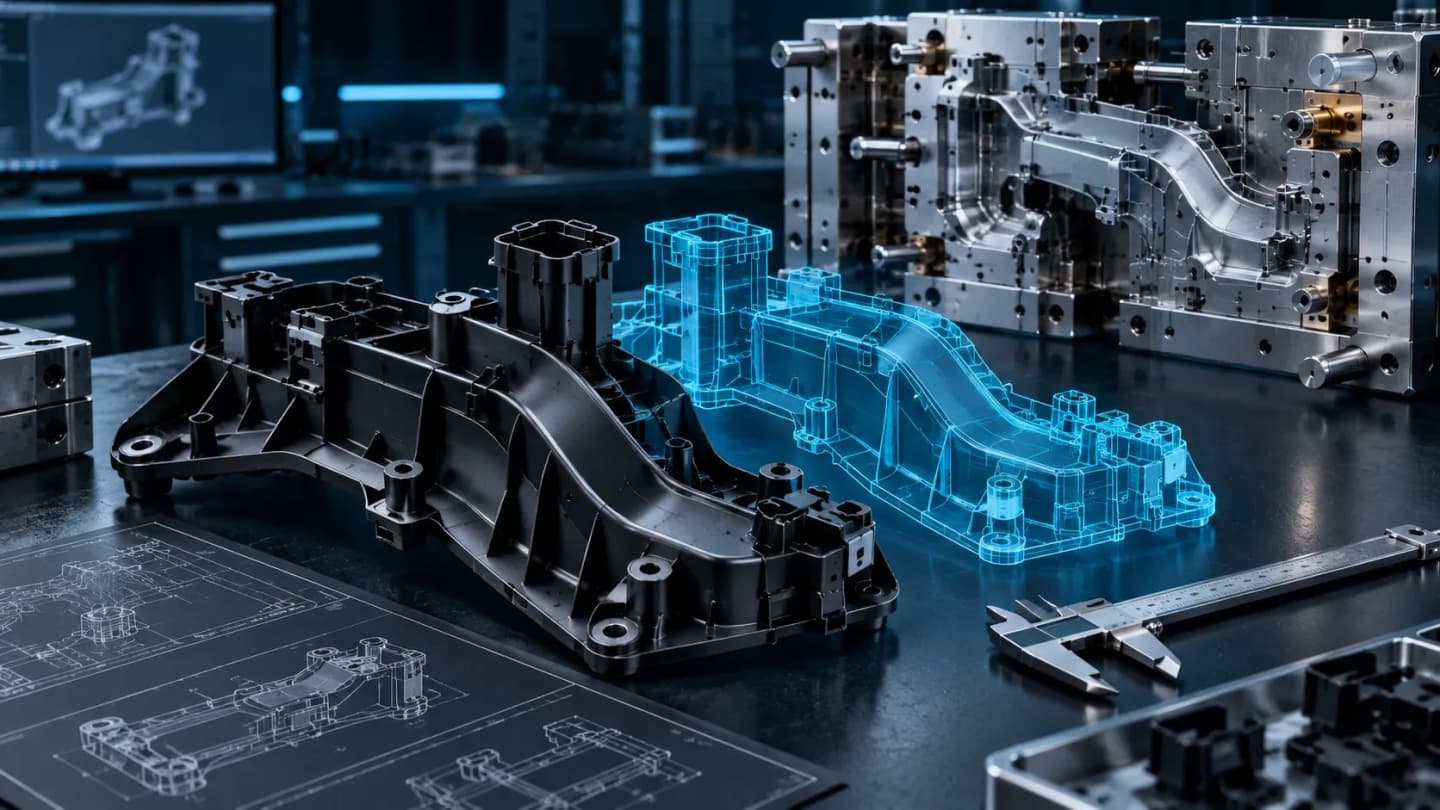
Digital workflow DFM review

03 / The AXIA difference

Engineering before steel.

The difference is made before the first tool component is machined—when design intent becomes a sequence of practical engineering decisions.

Feasibility engineering review

01 / Feasibility

Can we build it?

Evaluate the component and establish a viable tool concept before committing to steel.

  • ✓Component feasibility
  • ✓Parting strategy
  • ✓Draft and wall thickness
  • ✓Undercuts and ejection
  • ✓Tool architecture
Engineering outcome

A viable tooling concept with early risk made visible.
Performance engineering review

02 / Performance

How will it behave?

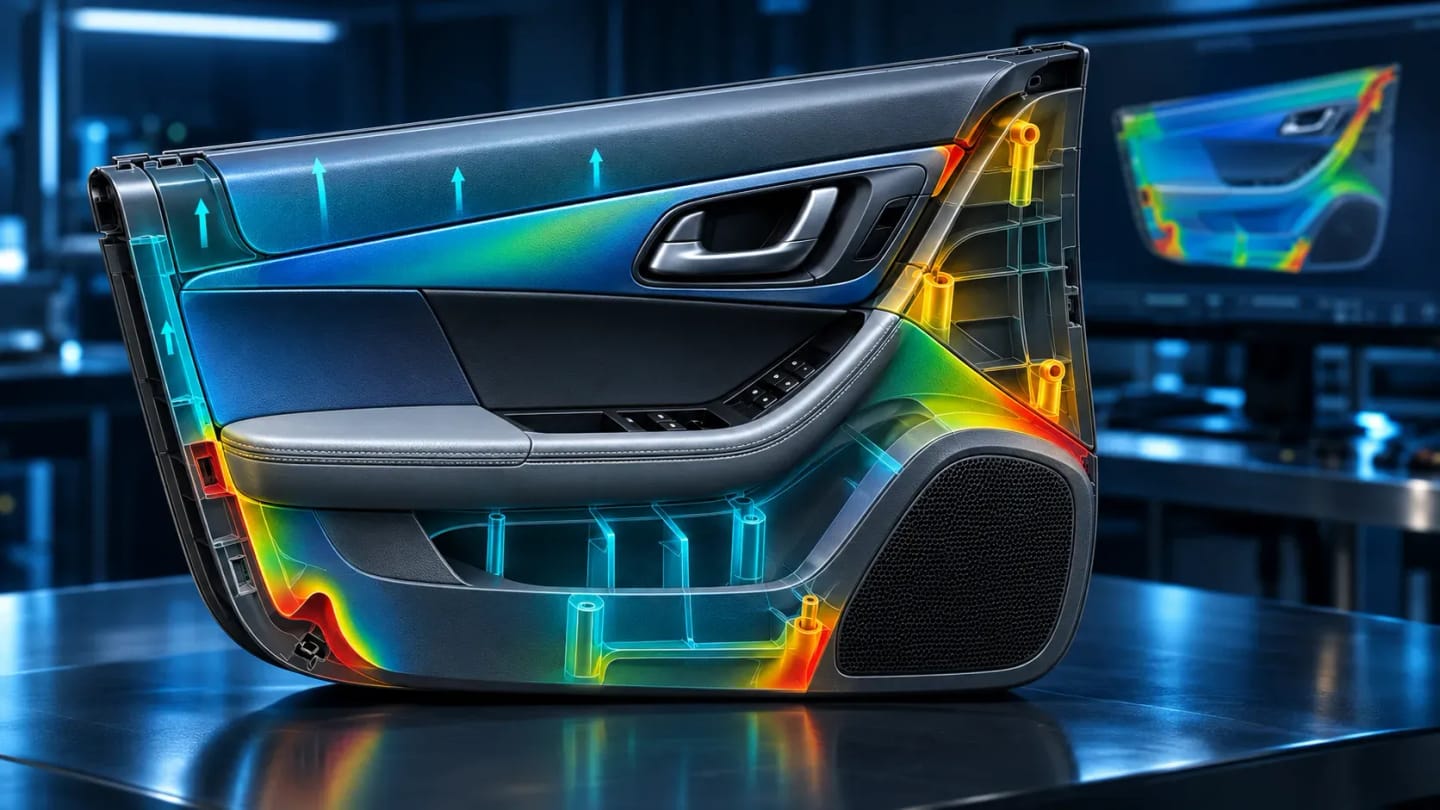
Use simulation and engineering analysis to understand moulding behaviour before manufacturing.

  • ✓Filling and packing
  • ✓Cooling strategy
  • ✓Warpage prediction
  • ✓Weld lines and air traps
  • ✓Critical cosmetic areas
Engineering outcome

Risks assessed before expensive manufacturing decisions.

Reliability & serviceability engineering review

03 / Reliability & serviceability

How will it run?

Design for dependable operation, repeatability and practical maintenance through the tool lifecycle.

  • ✓Mechanism reliability
  • ✓Repeatability
  • ✓Maintainability
  • ✓Serviceability
  • ✓Component accessibility
Engineering outcome

A practical design for repeatable performance.

Manufacturability engineering review

04 / Manufacturability

How will we make it?

Translate design intent into a machining and assembly plan grounded in real capability.

  • ✓Machining strategy
  • ✓Steel selection
  • ✓Manufacturing sequence
  • ✓EDM and grinding strategy
  • ✓Fitting and assembly
Engineering outcome

A manufacturable tool—not just a finished design.

The tooling lifecycle

  1. 01Component development
  2. 02Design & engineering
  3. 03Steel & procurement
  4. 04Machining
  5. 05Fitting & assembly
  6. 06Trial
  7. 07Validation

05 / Digital engineering

From part data to toolpath.

One component. Six connected engineering stages—from product definition and DFM to CAM, manufacture and physical validation.

01

Understand the component.

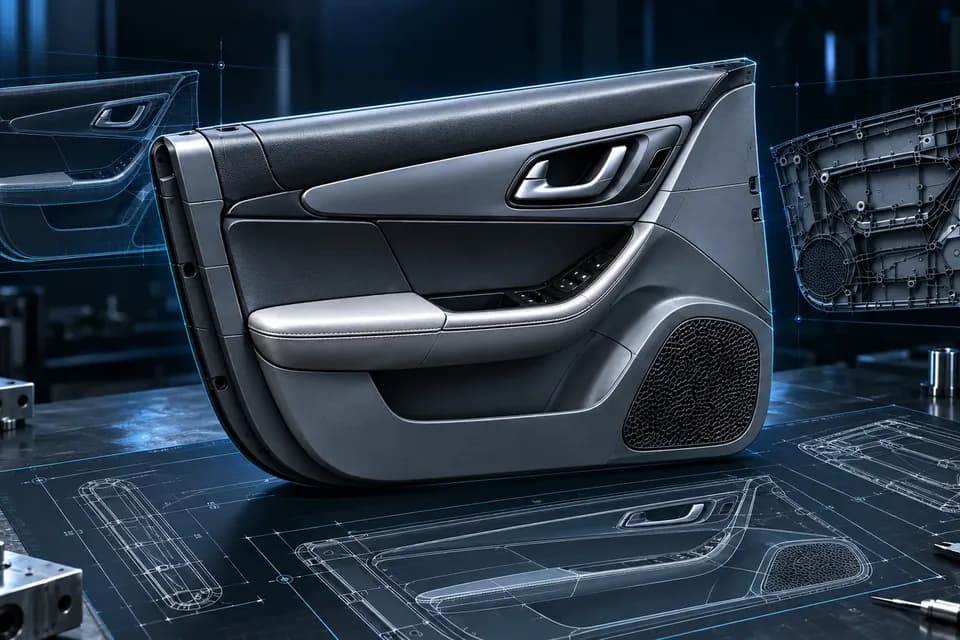
Product definition

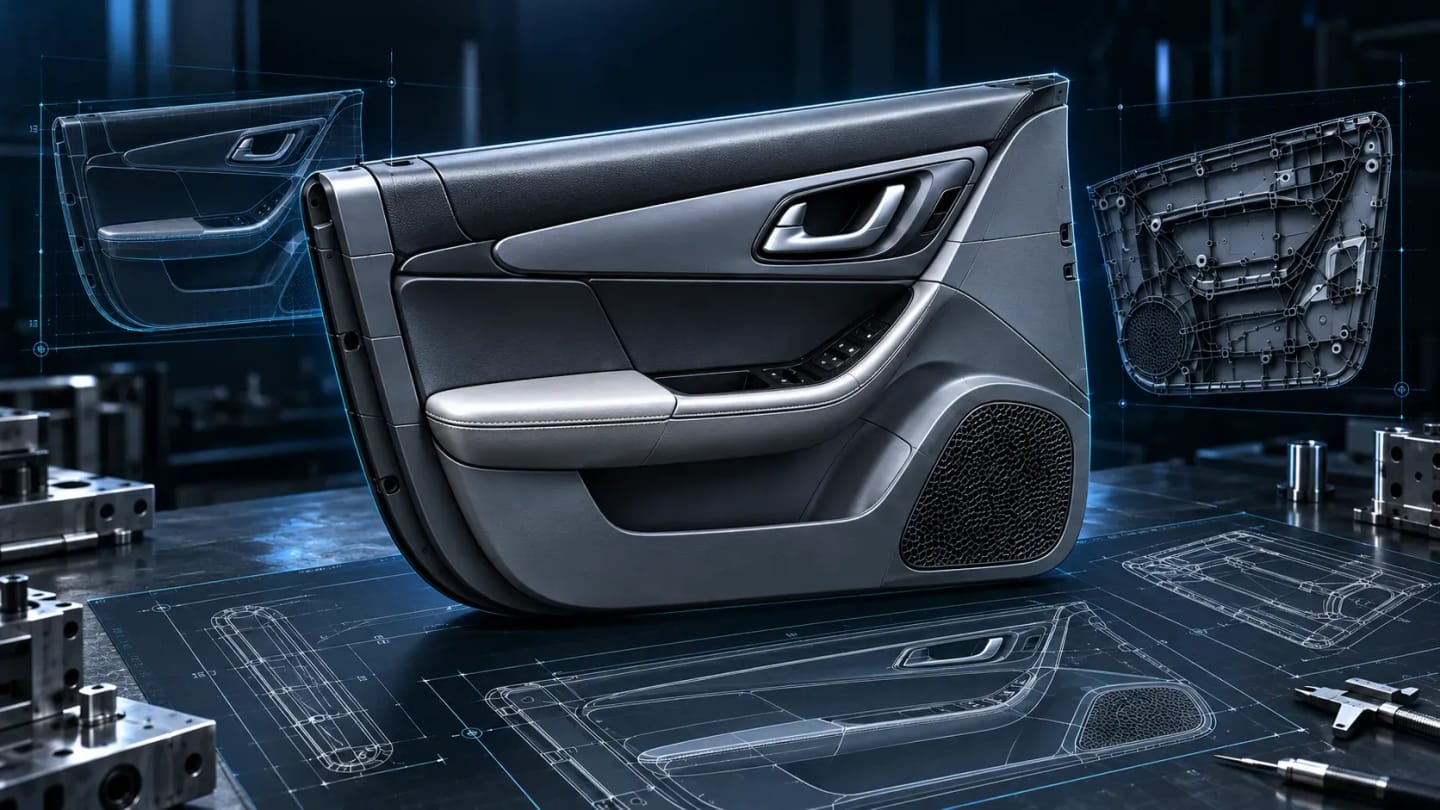
Capture product geometry, functional interfaces, dimensions, tolerances, material and design intent.

CATIA V5

Key focus areas

  • ✓Product geometry
  • ✓Interfaces and datums
  • ✓Material and finish
Product definition digital engineering workflow
Live stage / CATIA V5

Engineering output

013D product model
02Design intent documentation
03Critical interface definitions

Stage views

DFM guidelines template article visual
Primary engineering evidence
Parting-line design considerations article visual
Connected validation evidence