Why cooling deserves early engineering
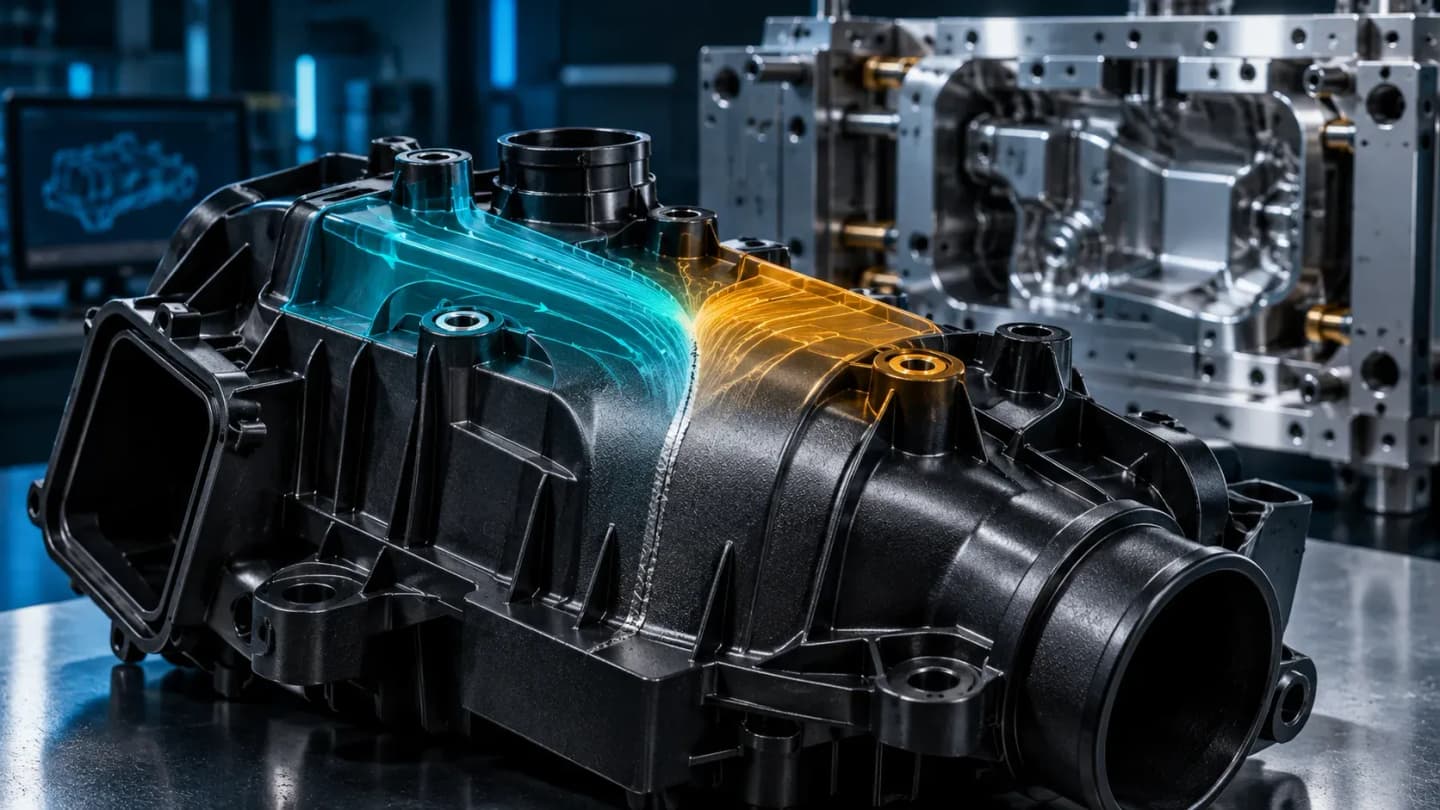
Cooling commonly occupies the largest share of an injection-moulding cycle. A circuit that is treated as a late packaging exercise can create long cycle times, uneven shrinkage and recurring dimensional variation even when the cavity geometry is correct.
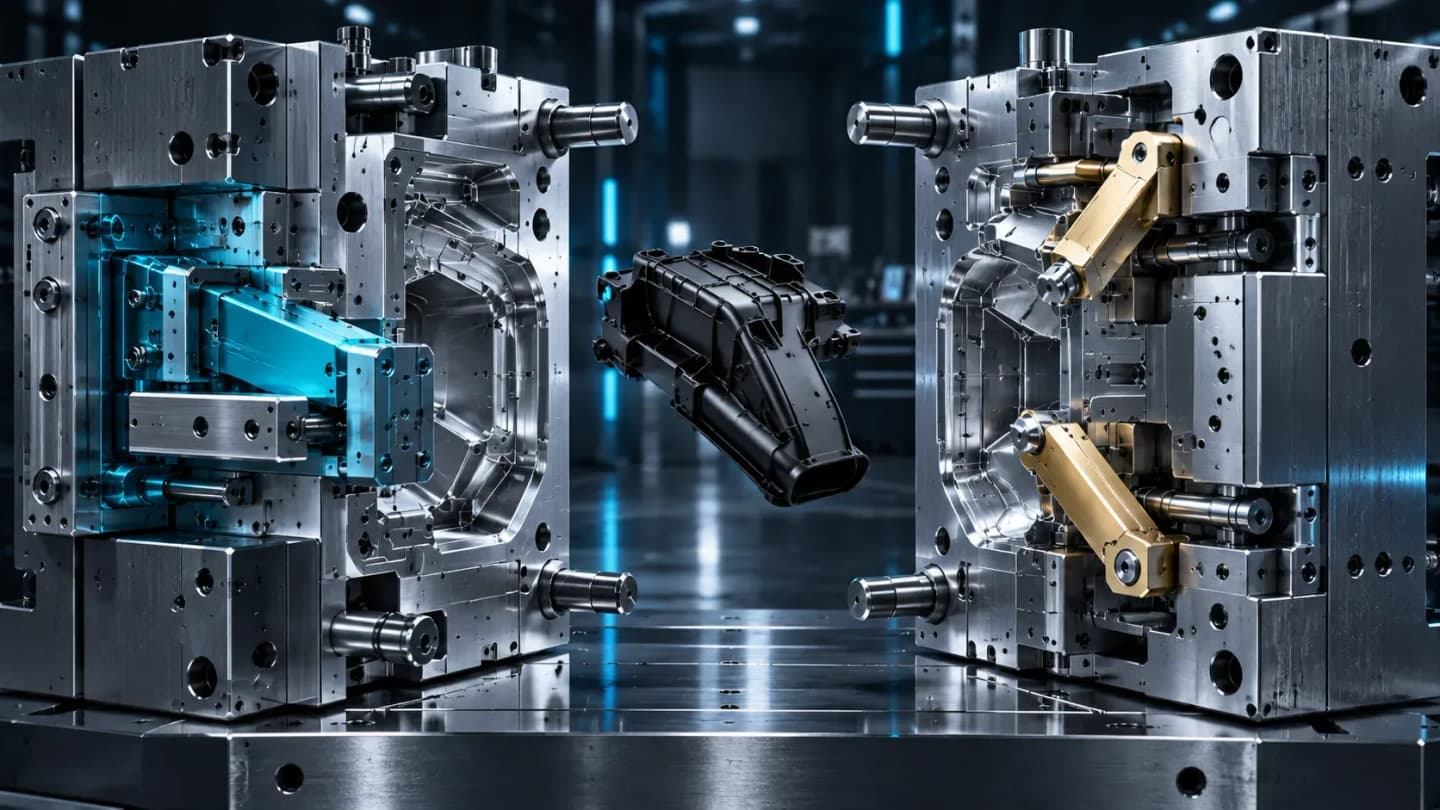
The useful question is not simply how many channels fit inside the steel. The circuit must remove heat evenly from the areas that control part quality while remaining manufacturable, cleanable and safe around inserts, fasteners and moving mechanisms.
Balance flow before chasing flow rate
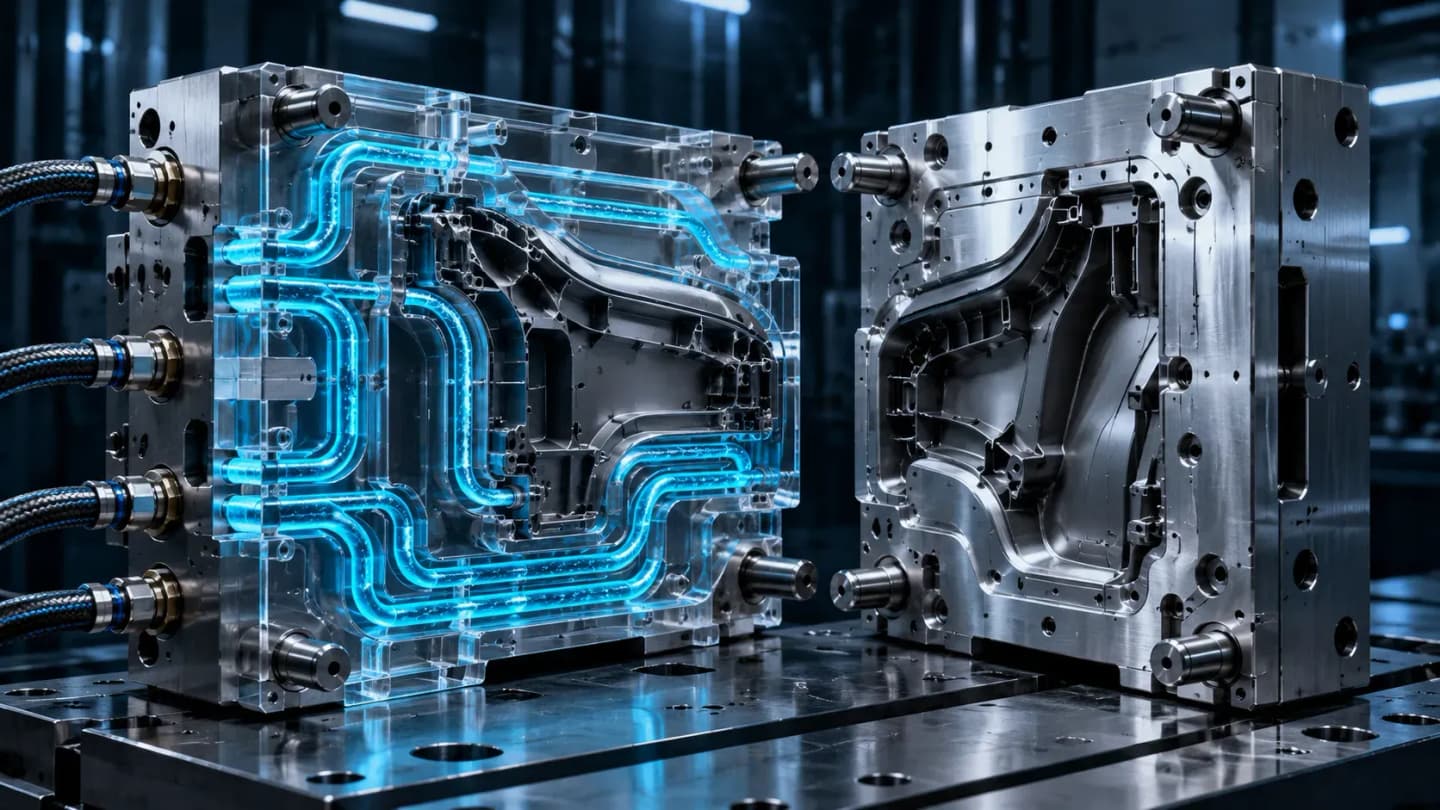
Parallel circuits need comparable hydraulic resistance. Long mixed-diameter routes often divide flow unevenly, leaving one region effective and another starved. Separate, documented circuits make balancing and troubleshooting easier at the machine.
Channel diameter, distance from the moulding surface, spacing, inlet temperature and coolant condition should be reviewed together. Areas around cores, deep ribs and thick sections may need baffles, bubblers or conformal strategies rather than a distant straight drill.
Validate the circuit as a production system
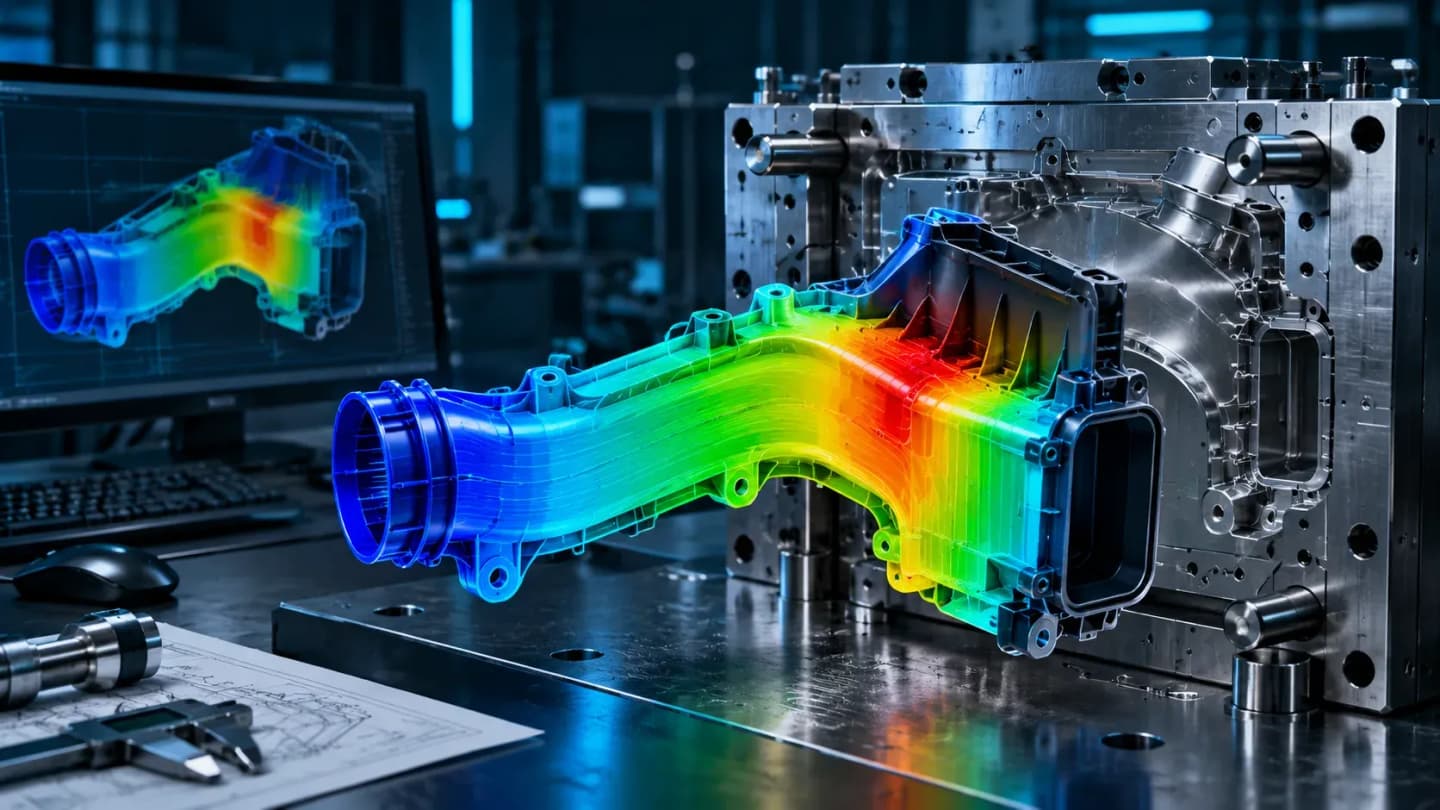
Before release, verify pressure drop, accessible connections, sealing, corrosion protection and the ability to flush each circuit. During trials, record inlet and outlet temperatures, stable cycle time and part temperature instead of relying only on machine set points.
A maintainable cooling layout includes clear circuit identification and a baseline flow record. That evidence helps production teams detect scale, blockage or a connection error before it becomes a dimensional problem.