01 / Challenge
Combine robust wall sections and fixing features without creating avoidable moulding or maintenance risk.

PRJ / Projects / Industrial Components
A representative development path for a durable industrial housing requiring stable interfaces, repeatable assembly and long-term tool serviceability.
Discuss a programme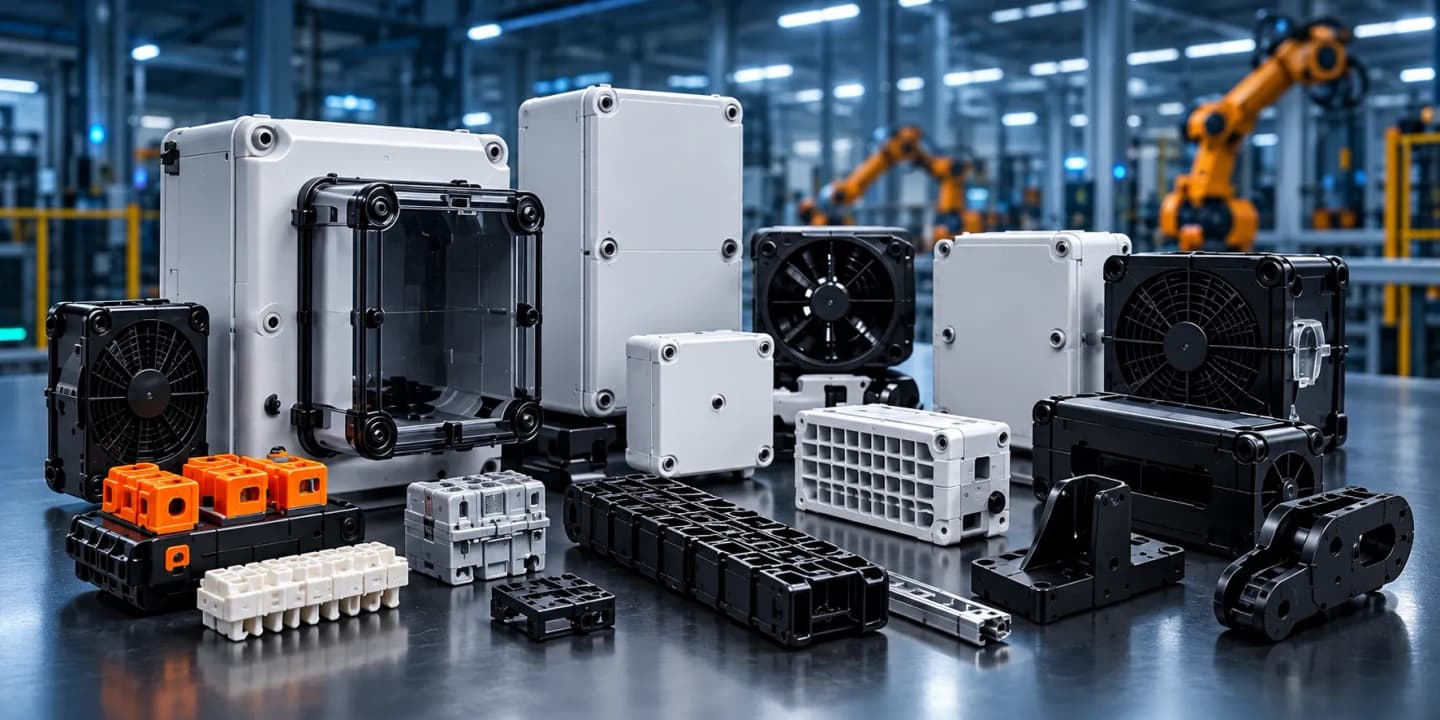
01 / Challenge
Combine robust wall sections and fixing features without creating avoidable moulding or maintenance risk.
02 / Engineering response
DFM and wall-section review
Replaceable wear details and accessible mechanisms
Manufacturing sequence aligned with inspection and fitting
03 / Result
A serviceable tool plan designed around repeatability and practical lifecycle support.
Connected programme stages
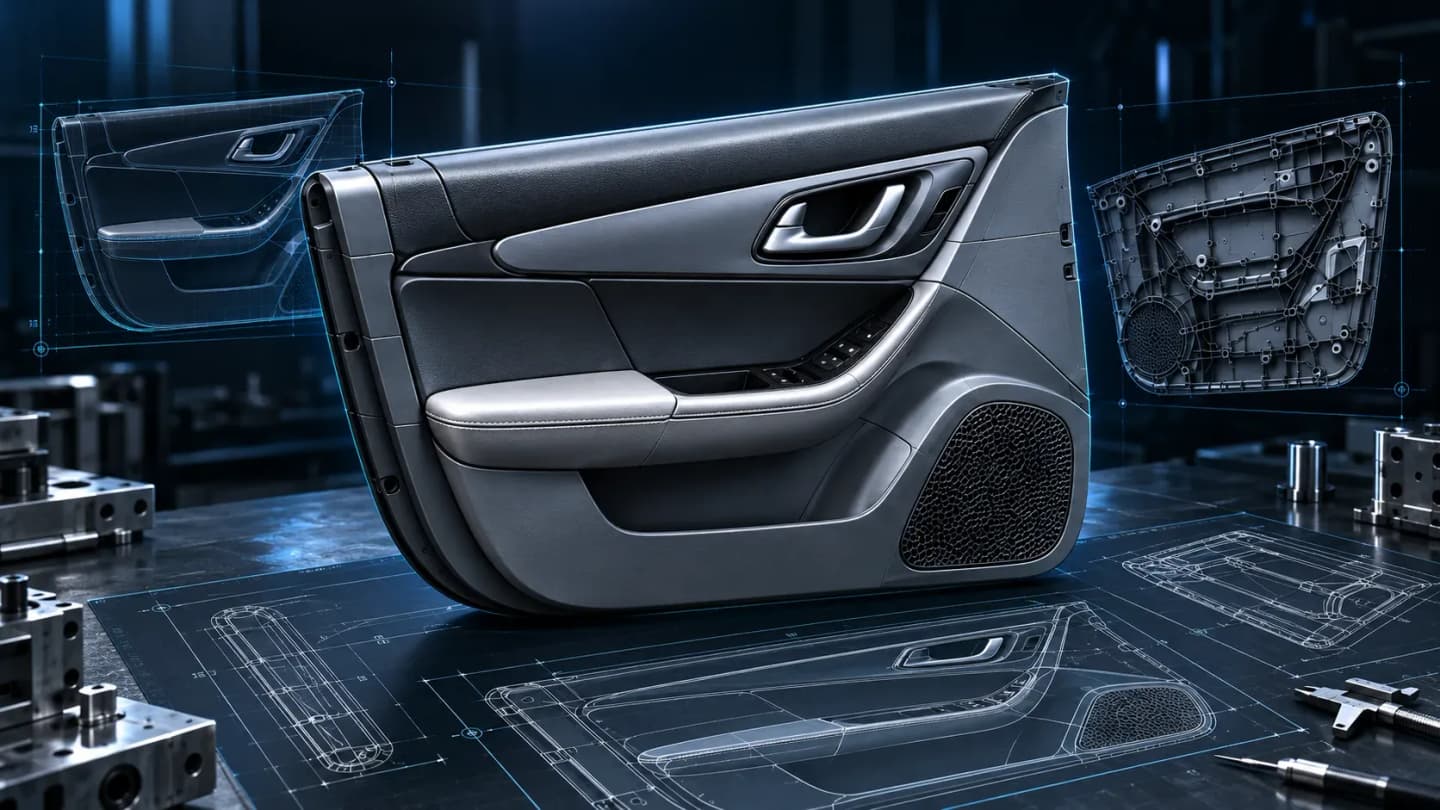
Product data, material, volume, timing and critical interfaces are converted into explicit engineering inputs.
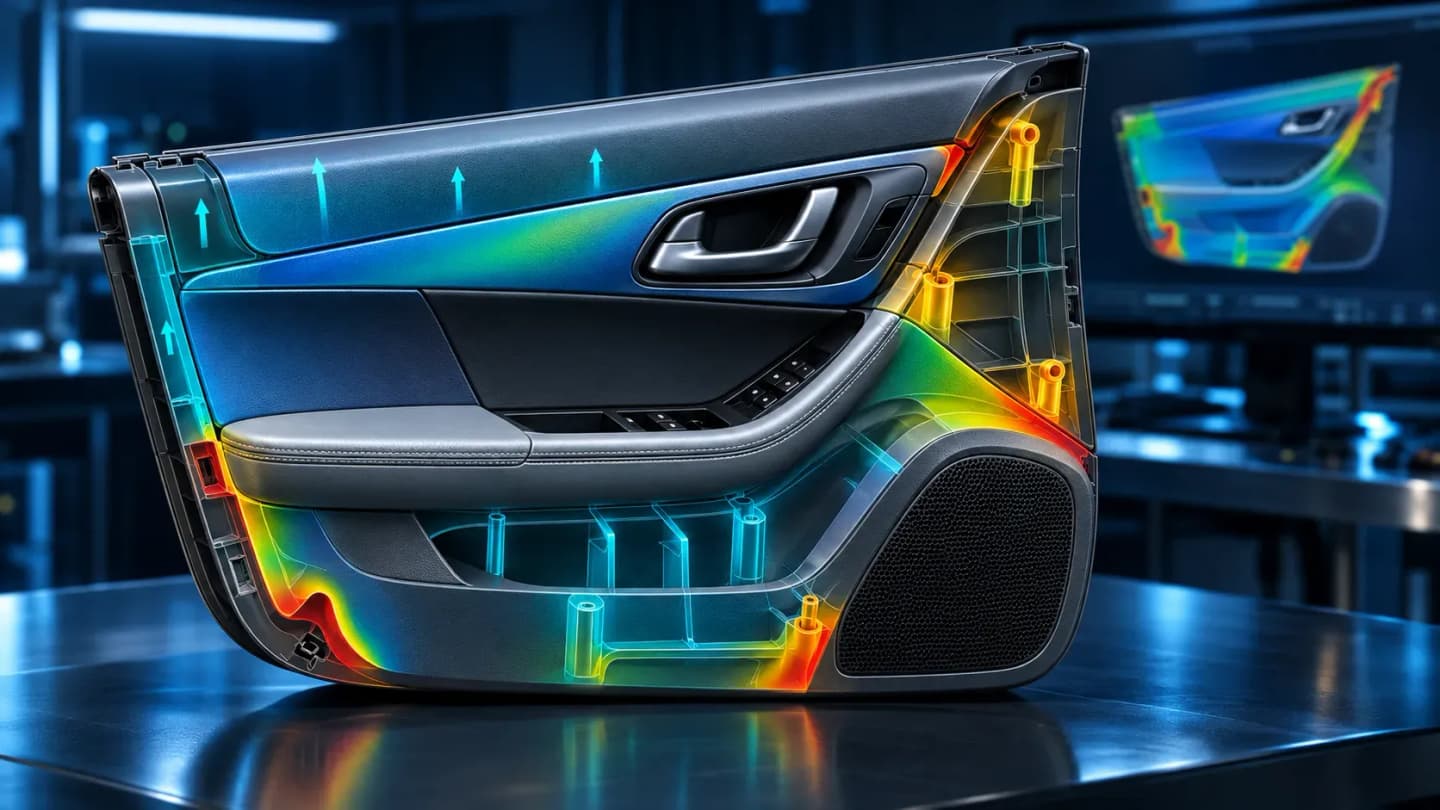
Manufacturability and moulding behaviour are reviewed before architecture is fixed.
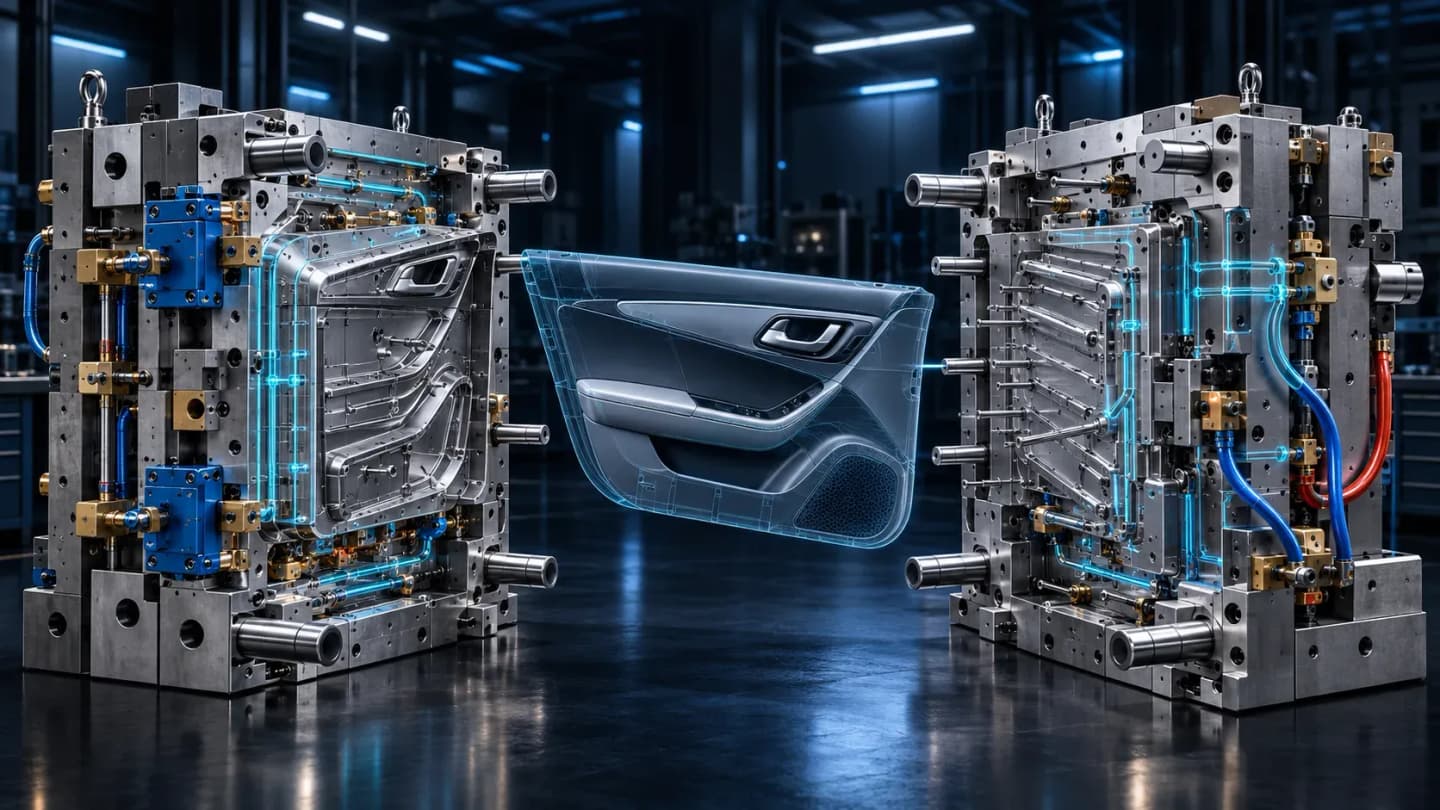
Mechanisms, cooling, ejection, standards and manufacturing drawings are released as one connected design.
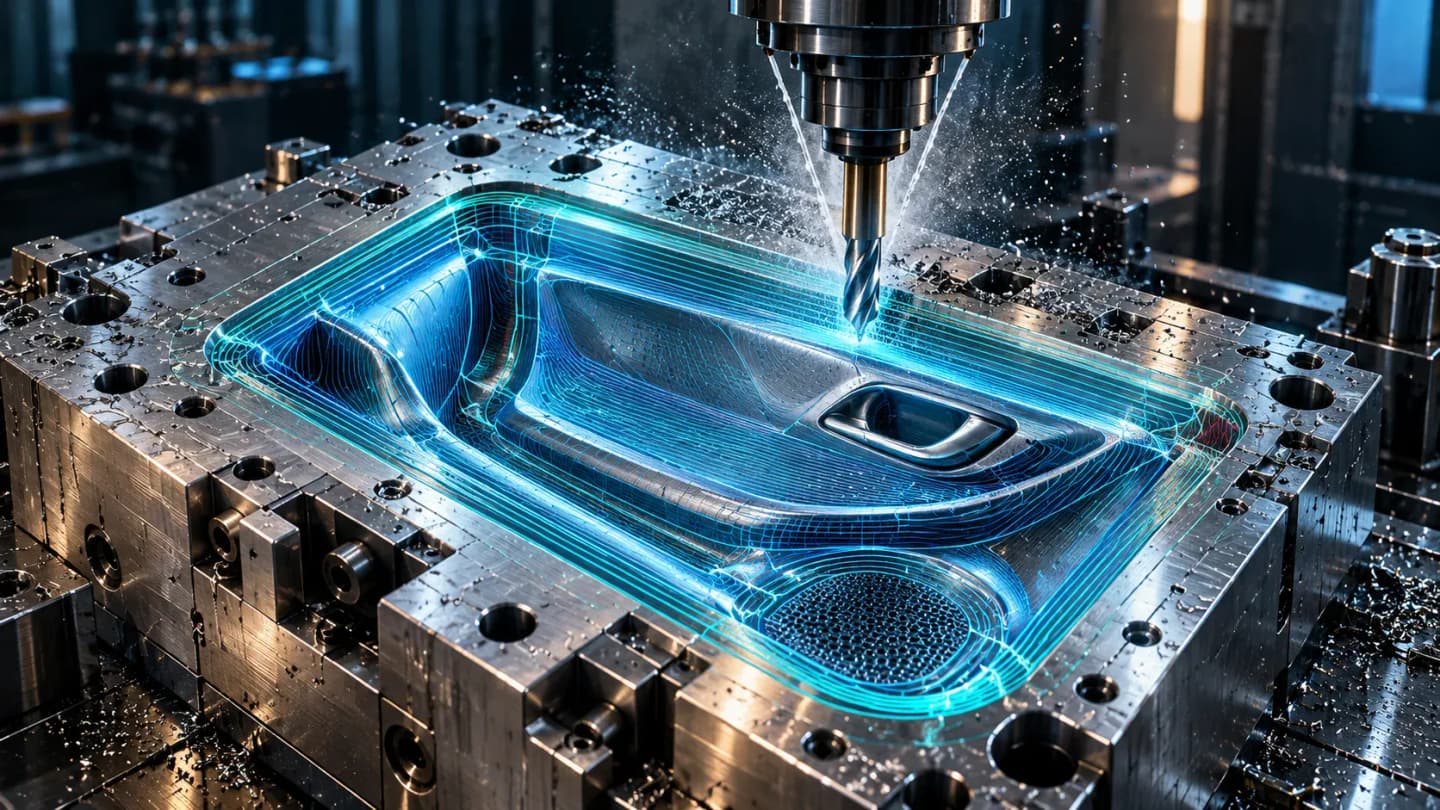
Machining, EDM, finishing, fitting and inspection follow controlled programme milestones.
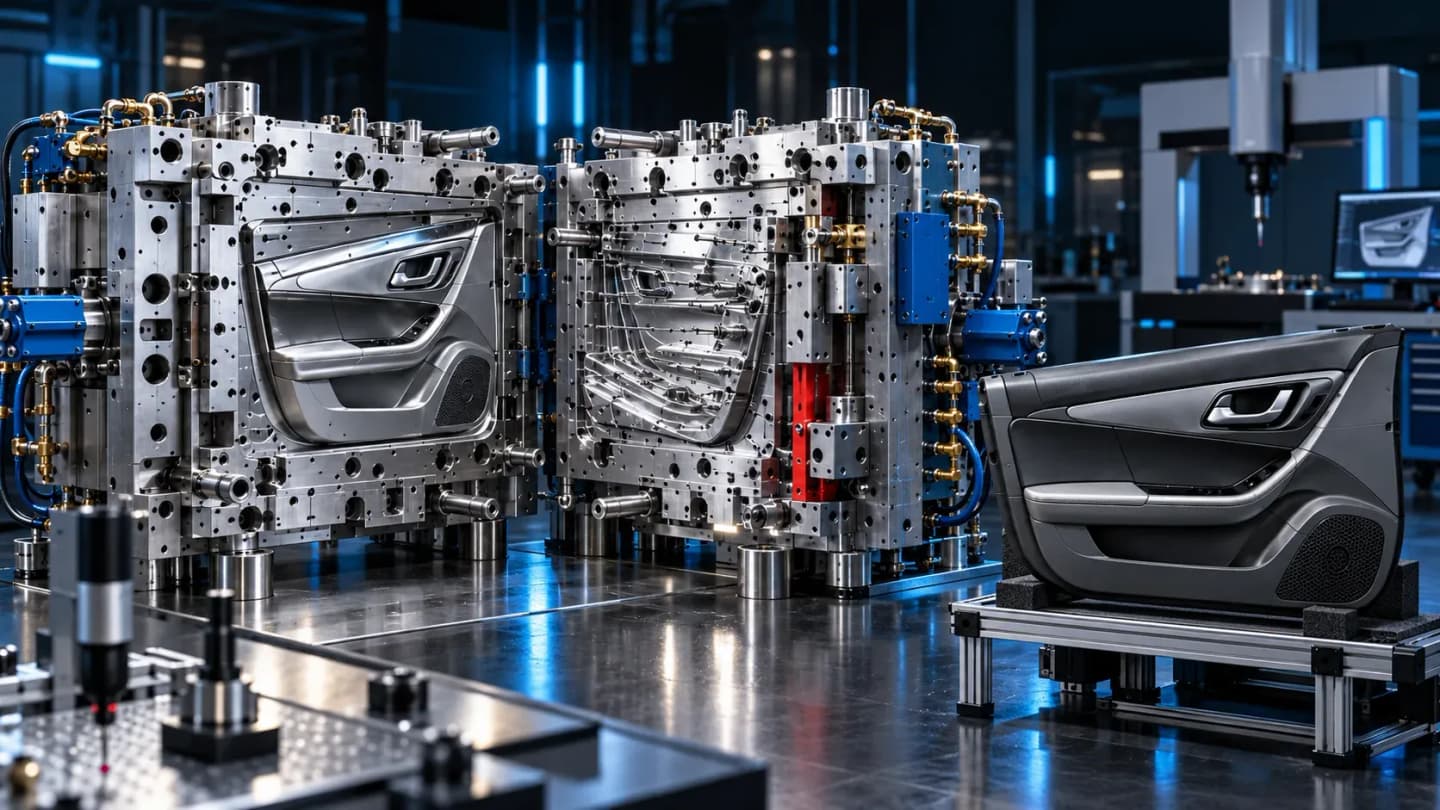
Sample evidence and action logs drive correction, validation and technical handover.
Programme gallery