IND / Industries / Application-led tooling
Engineered for Consumer Goods
Repeatable tools for high-volume products where finish and cycle time both matter.
Discuss a programme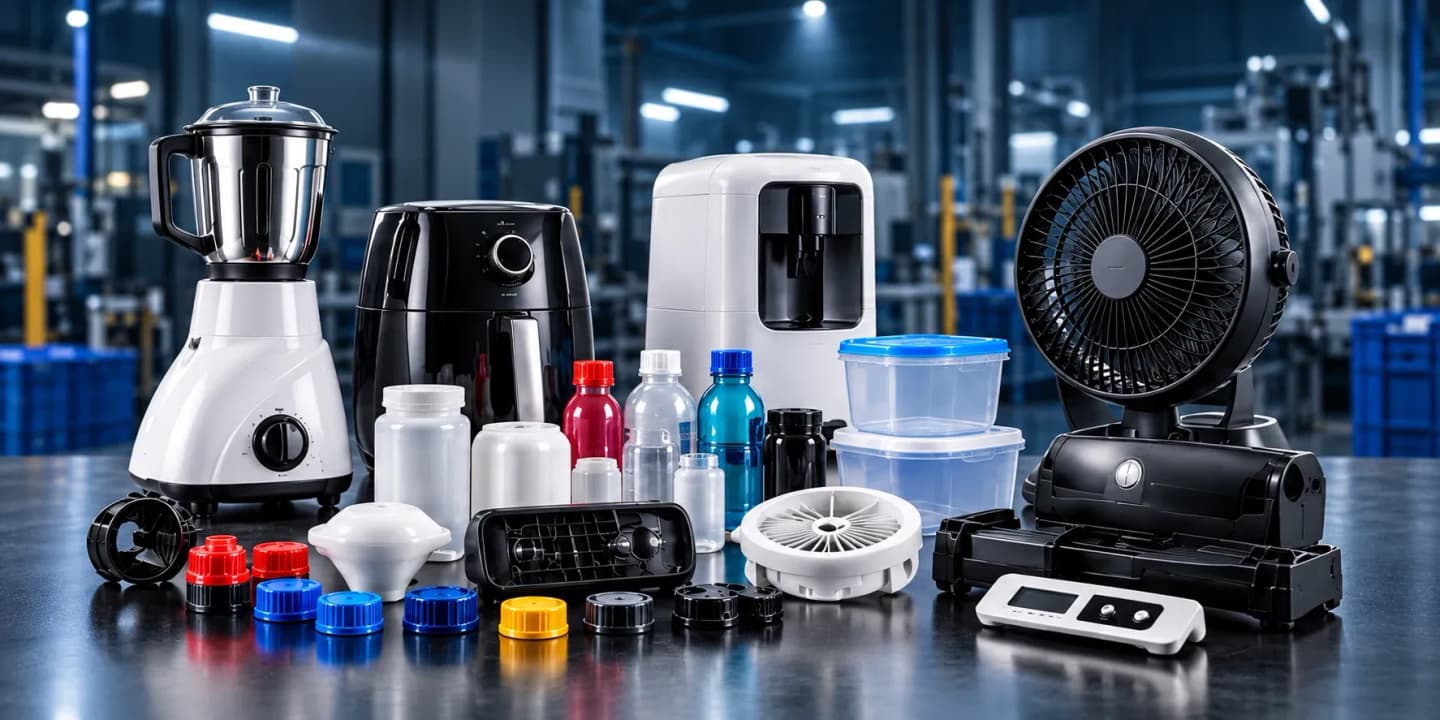
Industry overview
Repeatable tools for high-volume products where finish and cycle time both matter.
AXIA reviews consumer goods programmes against component geometry, polymer behaviour, surface requirements, annual volume, validation criteria and long-term tool serviceability.
Caps and closures
Decorative components
Structural consumer parts
Key components
Application-led tooling.
Each component family creates different requirements for parting, appearance, strength, cooling, ejection and service life.
01
Household appliances
Household appliances programmes are reviewed around product geometry, material behaviour, surface intent, tool architecture, manufacturing access and the evidence required for stable consumer goods production.
02
Caps and closures
Caps and closures programmes are reviewed around product geometry, material behaviour, surface intent, tool architecture, manufacturing access and the evidence required for stable consumer goods production.
03
Decorative components
Decorative components programmes are reviewed around product geometry, material behaviour, surface intent, tool architecture, manufacturing access and the evidence required for stable consumer goods production.
04
Structural consumer parts
Structural consumer parts programmes are reviewed around product geometry, material behaviour, surface intent, tool architecture, manufacturing access and the evidence required for stable consumer goods production.
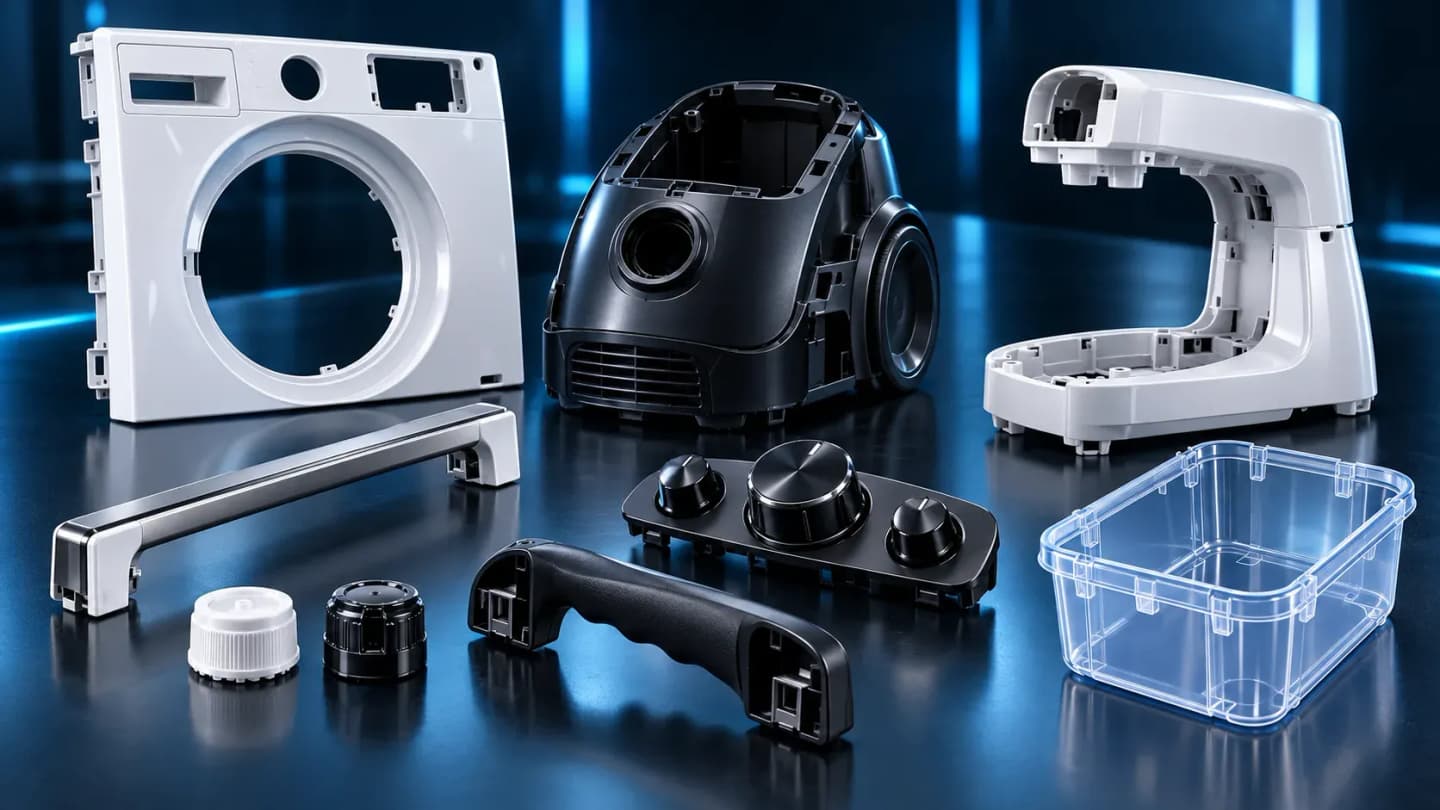
Representative component family
Real applications. Individual engineering decisions.
Engineering support
Support around the complete tool.
Product and DFM review
Geometry, interfaces, draft, wall thickness, parting and undercuts are made visible before tool release.
Simulation and risk review
Flow, cooling, weld-line and warpage risks inform gate, process and tool decisions.
Tool engineering
Mould architecture, mechanisms, cooling, ejection and service access are developed as one system.
Trial and validation
Tool performance and sample evidence are reviewed through a controlled correction and closure loop.
Our approach
One connected technical thread.
- 01
Understand the component
Confirm function, appearance, material, interfaces, volume and validation intent.
- 02
Expose engineering risk
Review DFM, flow behaviour, parting, mechanisms, cooling and ejection before steel.
- 03
Engineer the mould
Connect design decisions to manufacturing, fitting, serviceability and expected production conditions.
- 04
Build and prove
Machine, assemble, trial and inspect against a visible technical action list.
- 05
Close and support
Document the result, complete corrections and retain lifecycle context for future support.
Gallery
Components and tooling context.
Other industries